Payment, Tipping and Etiquette Basics at Korean Restaurants for Foreign Guests
Dining at a Korean restaurant—whether it's a casual neighborhood spot or a premium Hanwoo omakase venue—comes with its own set of cultural norms that can feel unfamiliar to international visitors. Understanding how payment works, whether tipping is expected, and what behaviors are considered polite will help you navigate your meal with confidence, especially at upscale private room Korean restaurants in areas like Yeouido, Gwanghwamun, and Gangnam.
🍽️ Reserve on CatchTable Global · 📍 WOOHANA Yeouido — Naver Place · ☎ 02-6124-7610
This guide covers everything foreign guests need to know about restaurant etiquette in Seoul, from settling the bill to showing respect for your hosts and servers.
How Payment Works at Korean Restaurants
Unlike many Western countries where servers bring the bill to your table, Korean restaurants typically expect diners to pay at the front counter or cashier. When you're ready to leave, simply walk to the register near the entrance and settle your bill there. This applies to most Korean dining establishments, from casual Korean cuisine spots to high-end Hanwoo omakase restaurants.
At premium venues with private rooms—such as those popular for business dinners, company gatherings, or anniversary celebrations—staff may bring a portable payment terminal to your room for convenience, but the pay-at-counter system remains standard in most settings.
Credit cards are widely accepted across Seoul, including international cards with Visa or Mastercard. However, some smaller neighborhood restaurants may prefer cash, so it's wise to carry Korean won just in case. Mobile payment apps like KakaoPay and Samsung Pay are ubiquitous among locals but typically require a Korean bank account.
Is Tipping Expected in Korea?
One of the most liberating aspects of dining in Korea for many foreign visitors: tipping is not expected, not customary, and often not accepted. This applies across the board—from street food vendors to luxury Hanwoo omakase establishments.
Service charges are typically included in the menu price, and servers earn a regular wage rather than depending on gratuities. Attempting to leave cash on the table or add a tip to your credit card payment may confuse staff or even cause them to chase after you, thinking you forgot your change.

The no-tipping culture extends to all dining occasions, whether you're enjoying a casual meal, celebrating at a private room restaurant in Yeouido for a family gathering, or hosting a business entertainment dinner. The best way to show appreciation is simply to thank the staff sincerely as you leave.
Splitting the Bill vs. The Korean "One Person Pays" Culture
In Western dining culture, splitting the bill evenly or paying separately is common. In Korea, however, there's a strong tradition of one person—often the senior member of the group, the host, or the person who extended the invitation—covering the entire meal.
This is especially true for business dinners, company gatherings, and occasions like anniversary celebrations or date nights where one person clearly plays the host role. You may witness what looks like a friendly argument at the register, with multiple people insisting they should pay—this is a normal display of generosity and politeness.
That said, among close friends or younger groups, splitting the bill (n-bbun or "dividing by n") is becoming more common. If you're dining with colleagues or friends and want to split, it's acceptable to ask, though be prepared for some back-and-forth about who should treat.
At premium Hanwoo omakase venues with private rooms—ideal settings for business entertainment or important family milestones—it's particularly common for one person to handle payment, reinforcing the sense of hospitality.
Table Manners and Dining Etiquette Basics
Beyond payment, understanding a few key etiquette points will help you feel more comfortable, especially at traditional Korean cuisine restaurants or upscale omakase settings.
- Wait for elders to start eating first. If you're dining with someone older or in a senior position, let them pick up their utensils and take the first bite before you begin.
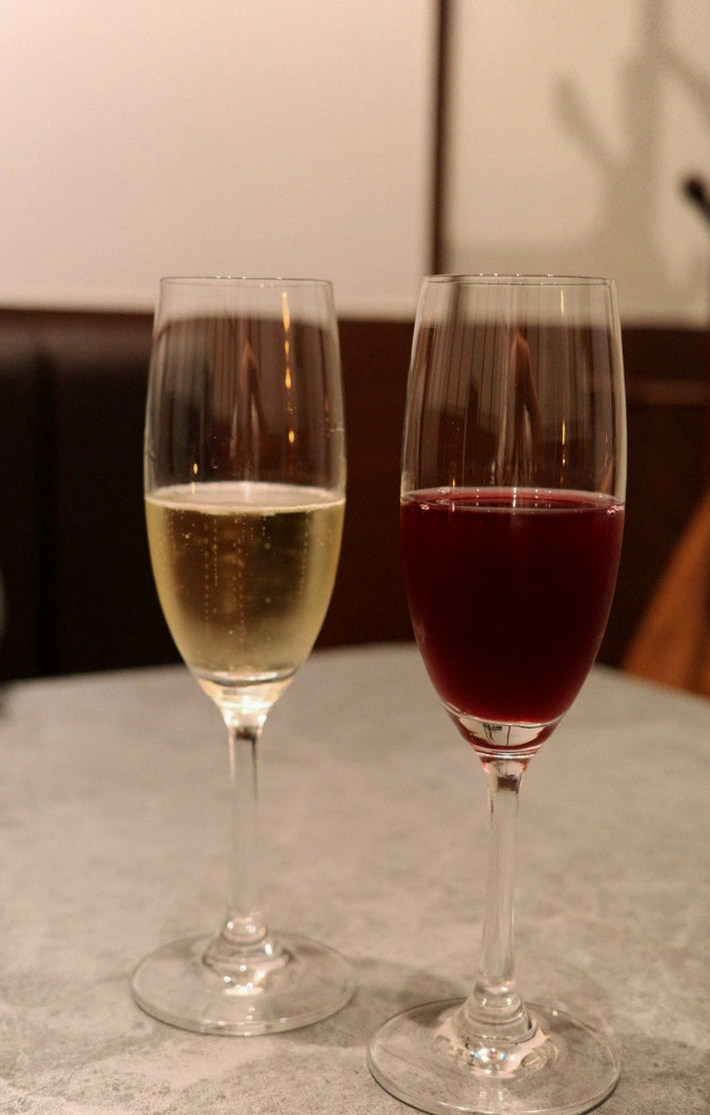
- Use both hands when receiving or pouring drinks. When someone pours you a drink, hold your glass with both hands as a sign of respect. Do the same when pouring for others, especially for elders.
- Don't blow your nose at the table. If you need to, excuse yourself to the restroom. This is considered impolite in Korean dining culture.
- Pace yourself with the group. Korean meals are often communal, with shared banchan (side dishes) and grilled meats. Try to eat at a similar speed as your companions rather than finishing well ahead or lagging behind.
- Don't stick chopsticks upright in rice. This resembles a funeral ritual and is considered bad luck.
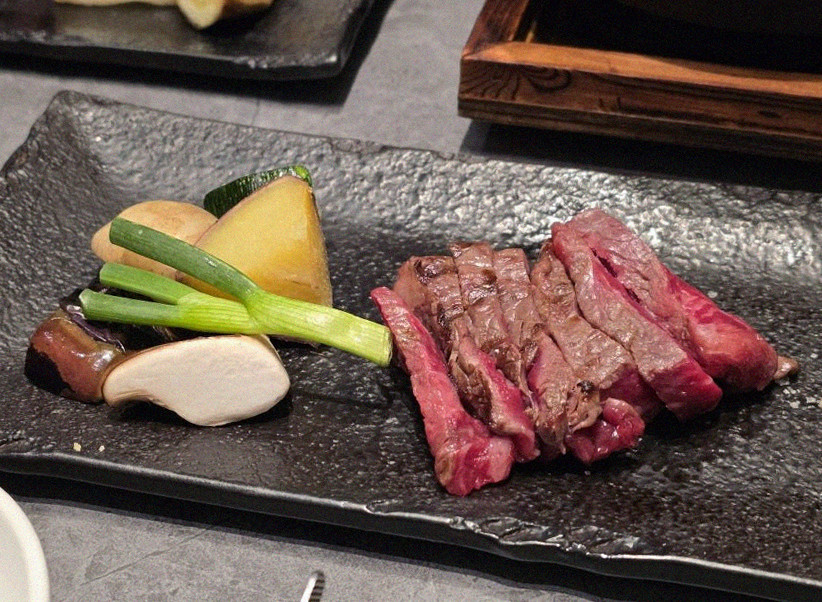
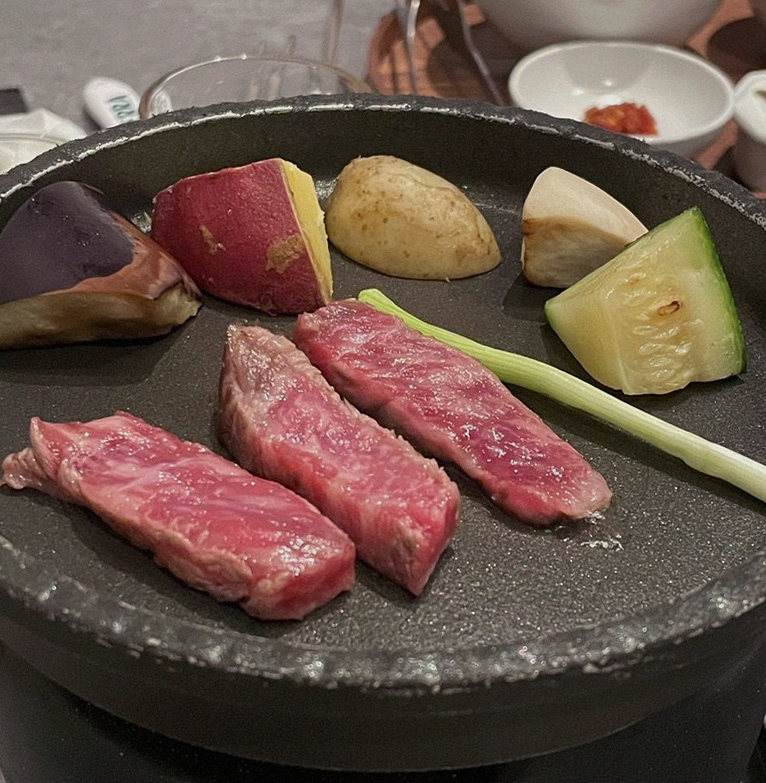
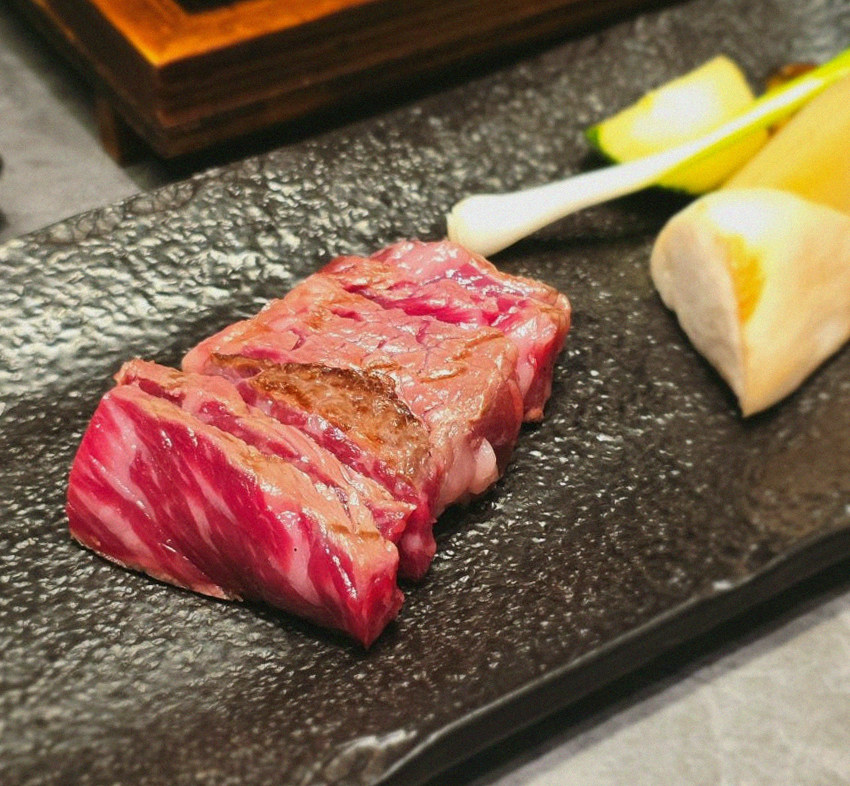
At high-end Hanwoo omakase restaurants, staff will often grill and serve the Korean beef for you, cutting each piece and explaining the cut. Follow their lead, and don't hesitate to ask questions—they're there to guide your experience.
Private Room Etiquette and Group Dining
Private room restaurants (room sikdang or 룸식당) are extremely popular in Seoul for group dinners, business entertainment, and special occasions. Venues like WOOHANA in Yeouido or GOWOOGA in Gangnam-Yeoksam offer intimate, soundproofed spaces ideal for important meetings, family celebrations, or anniversary dinners where privacy matters.
When dining in a private room, a few additional etiquette points apply. Remove your shoes before entering if slippers are provided at the door—many traditional and premium Korean restaurants follow this custom. Sit where your host indicates; seating arrangements often reflect hierarchy, with honored guests or senior members facing the door.
Because private rooms afford discretion, they're often chosen for business entertainment where conversation can flow freely without outside interruption. Be mindful of noise levels out of respect for staff, but otherwise, the space is yours to enjoy comfortably.
Calling for Service
Korean restaurants typically don't have servers hovering by your table. Instead, you'll notice a call button at each table (or in each private room) that summons a server when pressed. Don't be shy about using it—it's the standard way to request service, whether you need more banchan, want to order another round of Korean beef, or are ready for dessert.
If there's no button, a polite "Yeogiyo" (over here) or "Jeogiyo" (excuse me) will get a server's attention. Snapping fingers or raising your voice is considered rude.
What to Know About Banchan and Refills
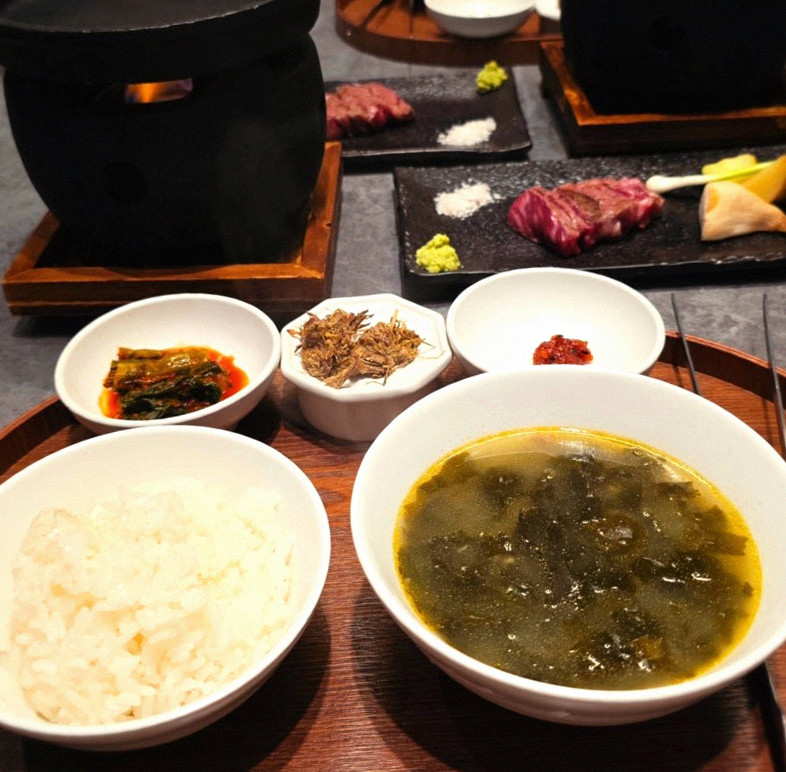
Side dishes (banchan) are complimentary and refillable at Korean restaurants. If you run out of kimchi, pickled radish, or any other banchan, it's perfectly acceptable—and expected—to ask for more. Simply press the call button and point to the empty dish, or say "Banchan deo juseyo" (more side dishes, please).
Water and sometimes tea are also self-serve or freely refilled. Don't feel awkward about requesting what you need; Korean hospitality culture encourages abundance.
Reservations and Cancellations
For popular restaurants—especially premium Hanwoo omakase venues or private room establishments in high-demand areas like Yeouido, Gwanghwamun, or Gangnam—reservations are often essential, particularly for weekends, holidays, or large groups. Many restaurants now accept reservations via Instagram DM or KakaoTalk rather than traditional phone calls.
If your plans change, cancel as early as possible. No-shows or late cancellations are taken seriously, and some high-end venues may require a deposit or have a cancellation policy, especially for omakase courses where ingredients are prepared in advance.
Why WOOHANA Yeouido Is Ideal for Foreign Guests Seeking Authentic Etiquette
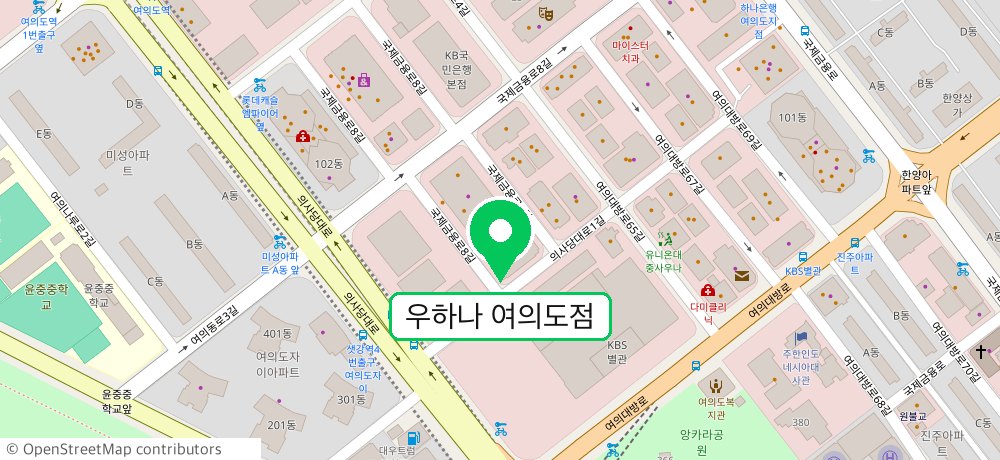
Located in Yeouido, one of Seoul's premier business and dining districts, WOOHANA Yeouido offers an elevated Hanwoo omakase experience in an environment where foreign guests can comfortably observe and practice Korean dining etiquette. Every table is a private room, ensuring a relaxed, discreet atmosphere whether you're hosting a business dinner, celebrating an anniversary, or gathering with family.
The restaurant's staff are experienced in guiding international diners through the omakase progression, explaining each cut of premium Korean beef and grilling it to perfection. With all rooms private, you can ask questions, take your time, and enjoy the meal without feeling rushed or self-conscious. The Yeouido location is conveniently accessible from IFC Mall and The Hyundai Seoul, making it a natural choice for visitors and locals alike.
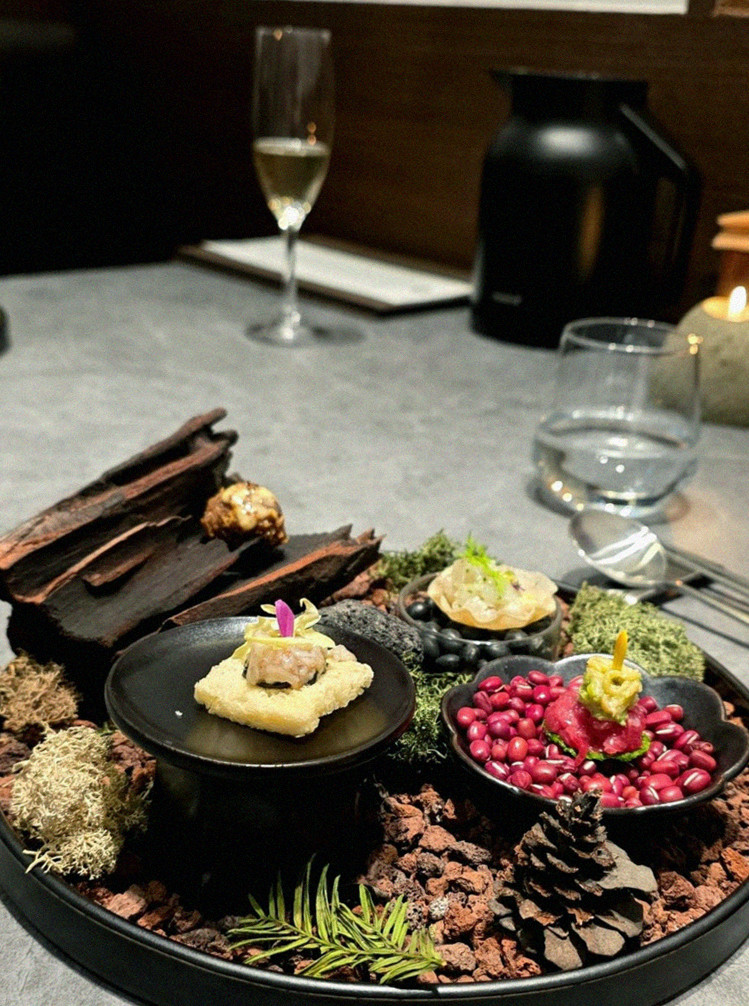
For those seeking an authentic yet welcoming introduction to Korea's fine dining culture, WOOHANA Yeouido strikes the perfect balance between tradition and hospitality.
FAQ
Q. Do I need to tip at Korean restaurants?
A. No, tipping is not customary in Korea and is generally not expected at any type of restaurant, including high-end Hanwoo omakase venues. Service is included in the price.
Q. How do I pay at a Korean restaurant?
A. Most Korean restaurants expect you to pay at the front counter when you're ready to leave. At some private room restaurants, staff may bring a portable payment terminal to your table for convenience.
Q. Is it rude to ask for separate checks in Korea?
A. It's not rude, but it's less common. Korean dining culture traditionally favors one person treating the group, especially for business or formal occasions. Among friends, splitting is becoming more accepted, so just ask politely if needed.
WOOHANA Yeouido — Yeouido, Seoul
- 🍽️ Reserve on CatchTable Global →
- Address: 서울 영등포구 국제금융로8길 27-8 1층
- View on Google Maps →