What is Hanjeongsik? Korea's Traditional Multi-Course Meal and How It Compares to Omakase
When exploring Korea's rich culinary landscape, you'll encounter two refined dining experiences that showcase the pinnacle of Korean hospitality: hanjeongsik (한정식) and Korean beef omakase. Both represent elevated approaches to dining, yet they stem from different traditions and philosophies. Whether you're planning a special anniversary dinner, a business entertainment event, or simply want to understand Korean fine dining culture, knowing the distinction helps you choose the perfect experience.
🍽️ Reserve on CatchTable Global · 📍 WOOHANA Jonggak — Naver Place · ☎ 02-2158-7561
Hanjeongsik translates to "Korean table d'hôte" or traditional full-course Korean meal. This centuries-old dining format presents guests with an abundant spread of meticulously prepared dishes served simultaneously or in waves, showcasing the diversity and balance central to Korean cuisine (한식). Near Insadong and Jonggak, Seoul's historic cultural heart, this tradition continues to thrive in restaurants that honor these time-tested customs.
The Philosophy Behind Hanjeongsik
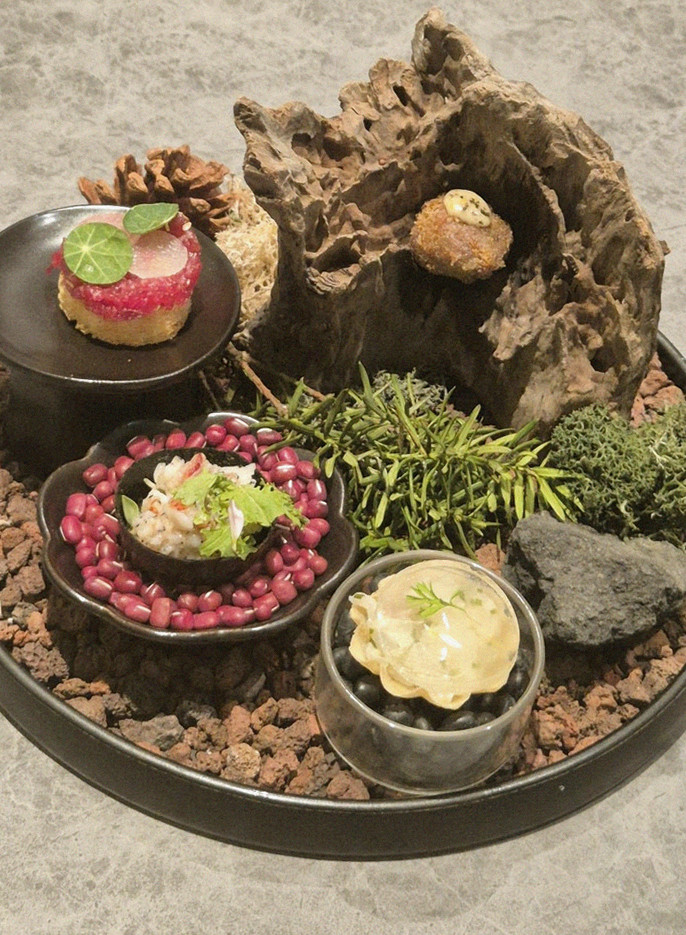
Traditional hanjeongsik originated from the royal court cuisine of the Joseon Dynasty and the elaborate meals served in aristocratic yangban households. The guiding principle is balance—balance of flavors (sweet, salty, spicy, sour, bitter), colors, cooking methods, and nutritional elements. A proper hanjeongsik meal might include anywhere from nine to twenty or more dishes, each prepared using different techniques: fermented, steamed, braised, grilled, and fresh.
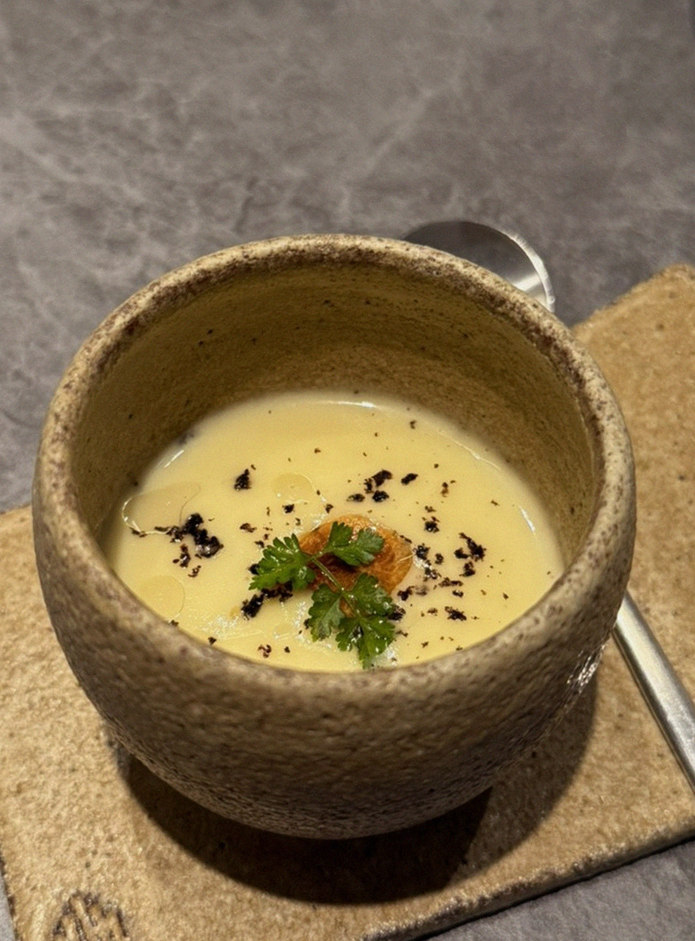
The meal typically centers around bap (rice) and guk (soup), surrounded by numerous banchan (side dishes), jjigae (stew), jeon (pancakes), jorim (braised dishes), gui (grilled items), and namul (seasoned vegetables). Everything arrives together or in coordinated courses, creating a visual feast that honors seasonal ingredients and regional specialties. In areas like Jongno and Gwanghwamun, restaurants serving authentic hanjeongsik maintain these standards while accommodating modern dining preferences.
Omakase: The Chef's Curated Journey
Omakase (오마카세), borrowed from Japanese dining culture, means "I leave it up to you." In this format, the chef curates and controls every aspect of your meal, presenting dishes one by one in a deliberate sequence. Korean beef omakase applies this philosophy to premium Hanwoo (한우), Korea's prized native cattle breed known for exceptional marbling and rich flavor.
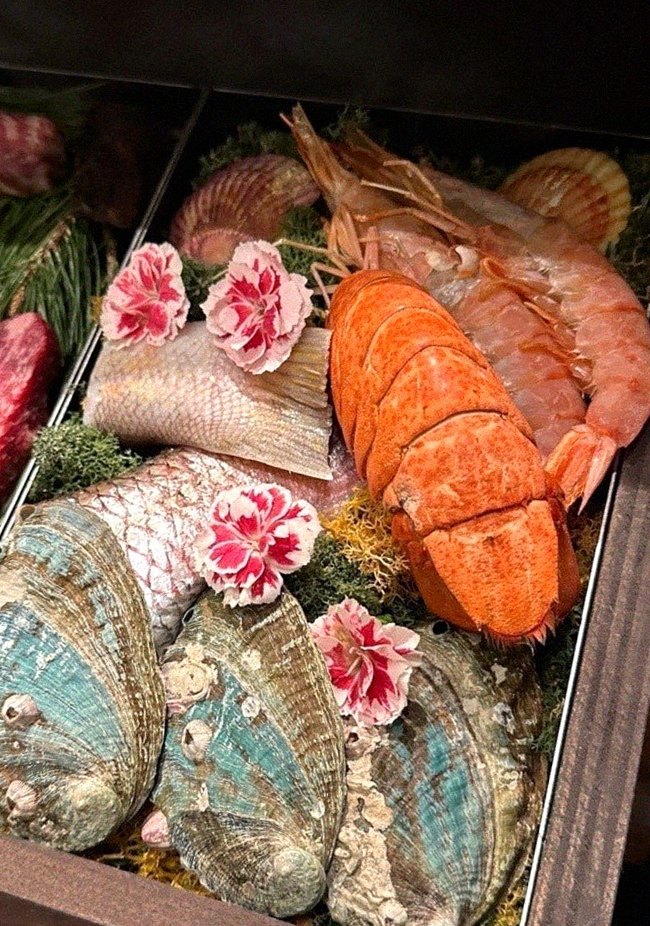
At a Hanwoo omakase restaurant, the chef selects the finest cuts—from tenderloin and ribeye to rarer selections like chae-dol (thin-sliced brisket) and special marbled cuts—and presents them in an order designed to build flavors progressively. The experience is intimate, often counter-style or in private rooms (룸), with the chef explaining each cut, its characteristics, and optimal cooking method. Unlike hanjeongsik's abundance, omakase emphasizes curation, precision, and the singular excellence of Korean beef.
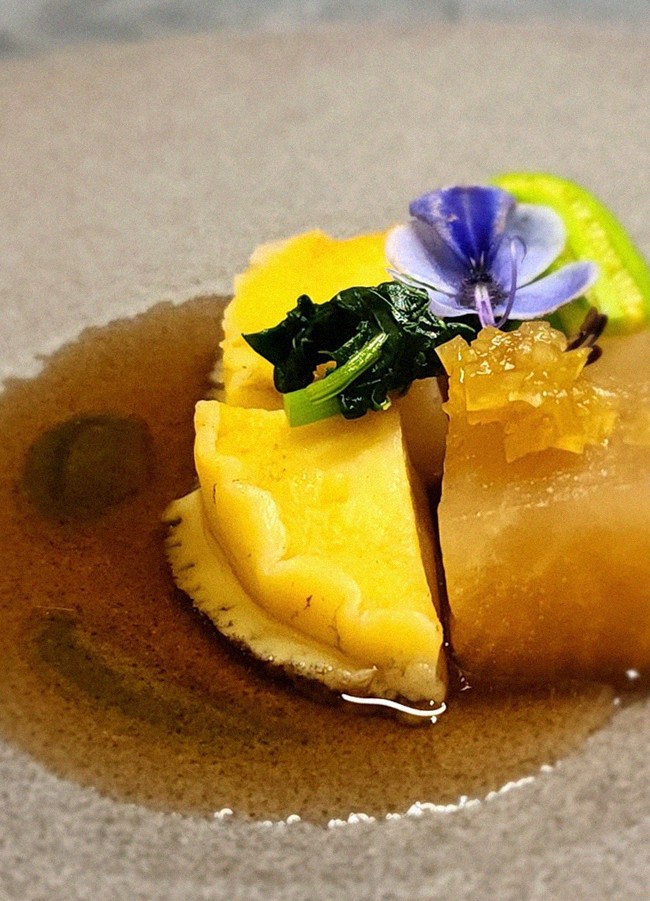
Key Differences: Abundance vs. Curation
The fundamental difference lies in philosophy. Hanjeongsik celebrates variety and balance through abundance—many dishes representing different flavors, textures, and cooking methods presented together. It's democratic; everything shares equal importance on the table. This makes it ideal for family gatherings or company dinners (회식) where sharing and communal dining create connection.
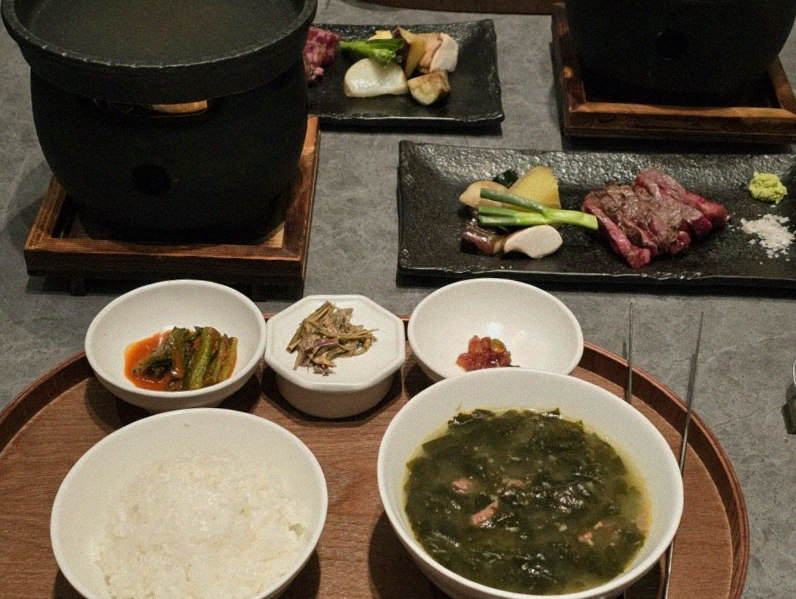
Omakase, conversely, is a guided narrative. The chef acts as storyteller, presenting one chapter at a time. Each cut of Hanwoo receives focused attention. The progression is deliberate—lighter, leaner cuts first, building toward richer, more marbled selections. This sequential approach suits intimate occasions: anniversaries (상견례), special dates (데이트), or business entertainment (접대) where conversation flows between courses.
Another distinction is customization. Traditional hanjeongsik follows established patterns, though restaurants may adjust based on season and availability. Omakase, by definition, is entirely at the chef's discretion, often incorporating the day's best ingredients and responding to guest preferences discovered during conversation.
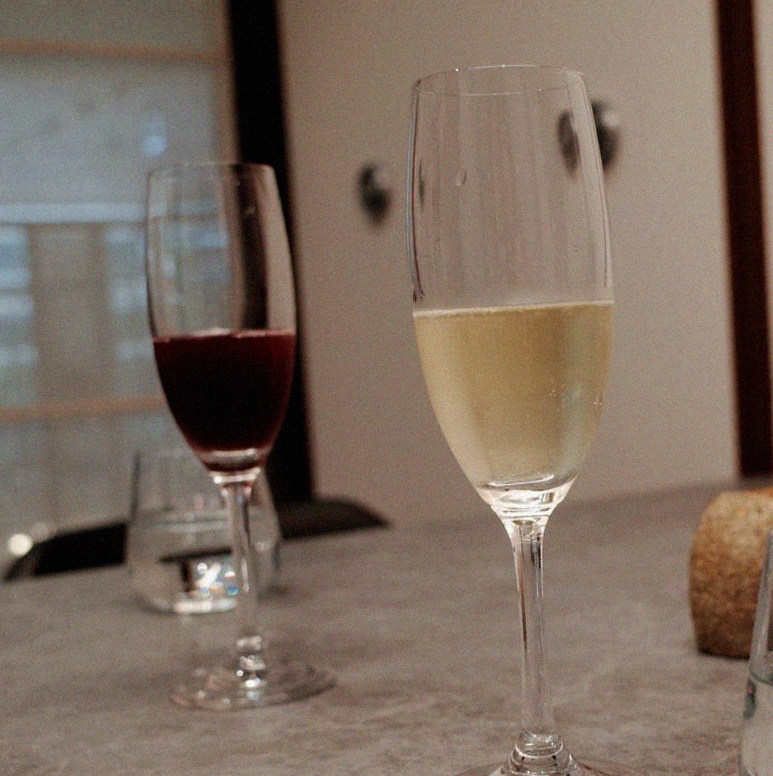
Where Hanjeongsik and Omakase Meet
Modern Seoul restaurants increasingly blend these traditions. Premium Korean cuisine establishments, particularly those specializing in Hanwoo, may incorporate hanjeongsik's variety—offering banchan, soups, and seasonal dishes—within an omakase framework where the chef still controls pacing and presentation. This hybrid approach honors Korean dining's communal spirit while delivering omakase's personalized touch.
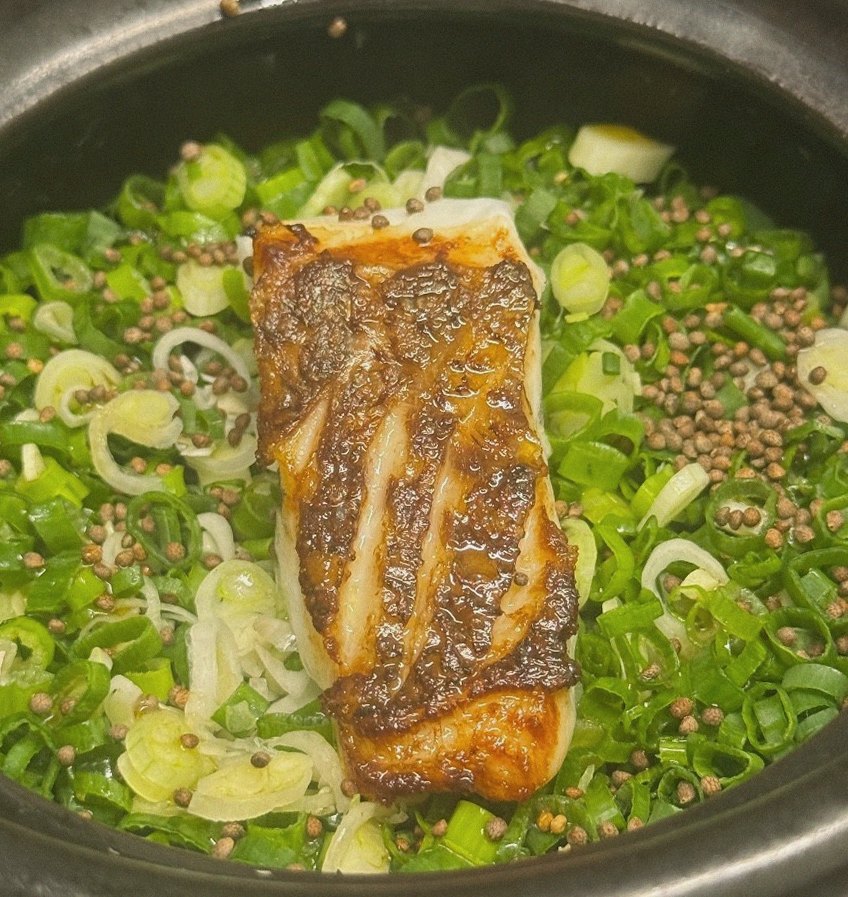
GOWOOGA F&B operates several restaurants across Seoul that exemplify this evolution. Their locations in Yeouido, Gwanghwamun, and Gangnam-Yeoksam, along with WOOHANA in Jonggak, WOOARA in Gwanghwamun, and DAEBOJUNG near City Hall, focus on premium Hanwoo omakase while incorporating Korean dining's hospitality traditions. All feature private rooms (룸식당), making them suitable for occasions demanding both privacy and exceptional quality.
Choosing Your Experience
Consider your occasion and dining style. If you value variety, want to sample many flavors simultaneously, and enjoy the visual impact of a loaded table, hanjeongsik delivers. It works beautifully for groups who want shared experiences and conversation without timed courses.
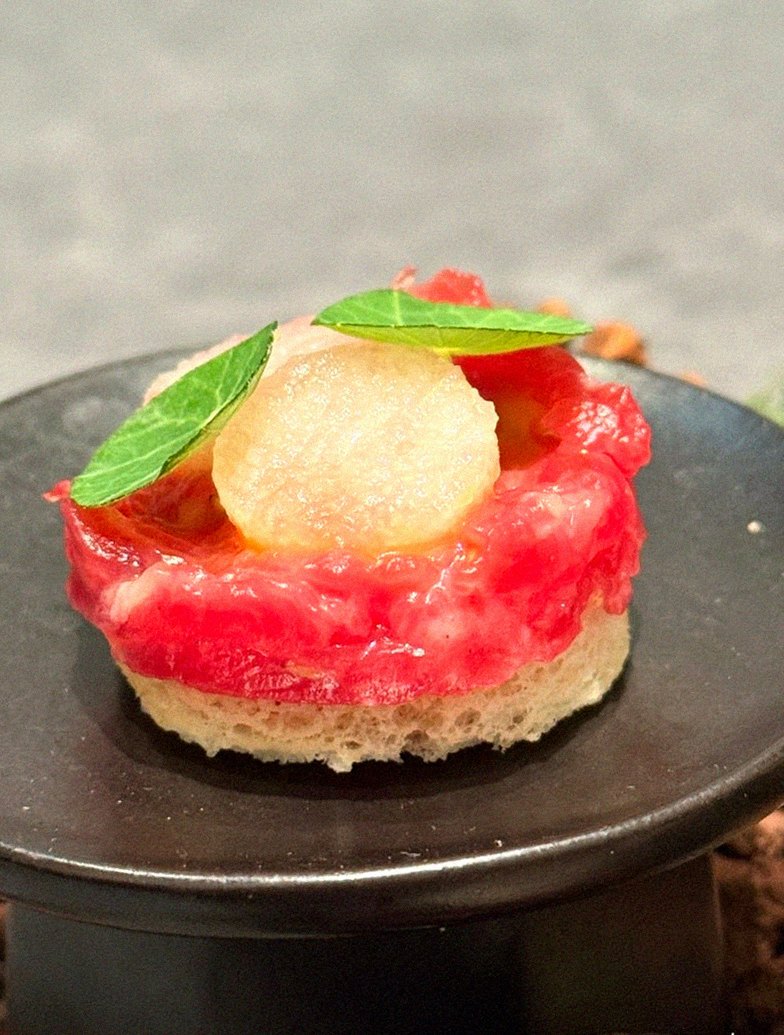
Choose omakase when you want education alongside dining, when the quality of specific ingredients (like premium Korean beef) matters most, or when you prefer a structured, guided experience. The sequential presentation allows deeper appreciation of each element. For special celebrations or business entertainment where you want to impress with both quality and attentiveness, Hanwoo omakase in a private room setting offers sophistication and intimacy.
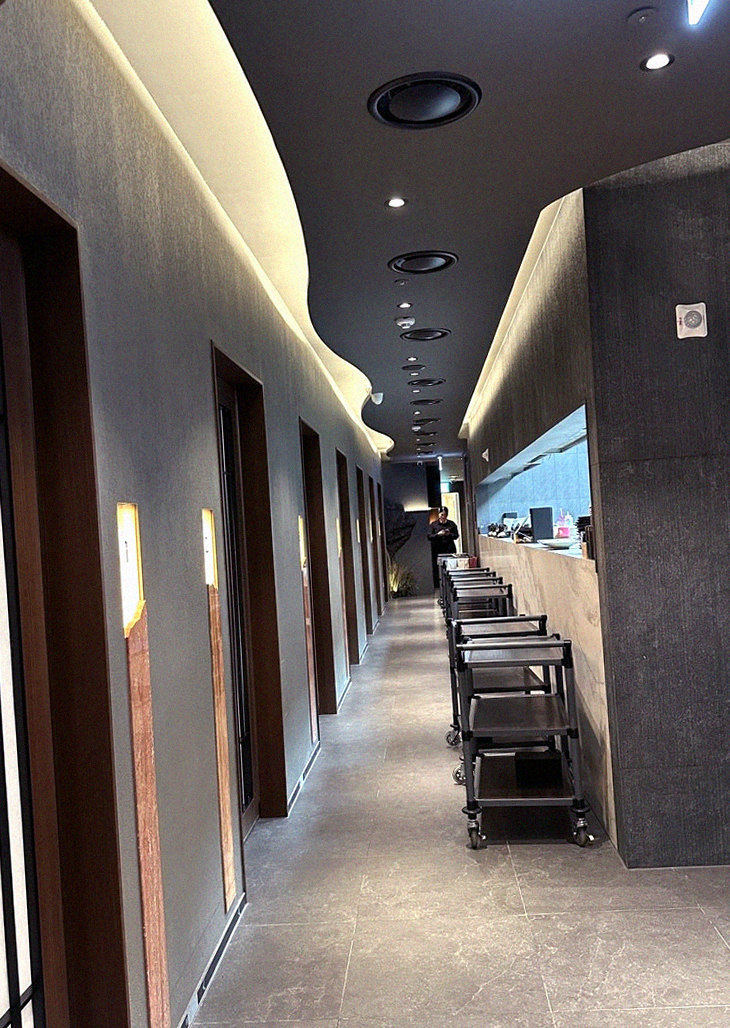
Both represent Korean hospitality at its finest. Hanjeongsik showcases cuisine's breadth; omakase highlights its depth. Understanding both enriches your appreciation of Korean food culture, whether you're a traveler discovering Seoul or a local seeking the perfect venue for your next important meal.
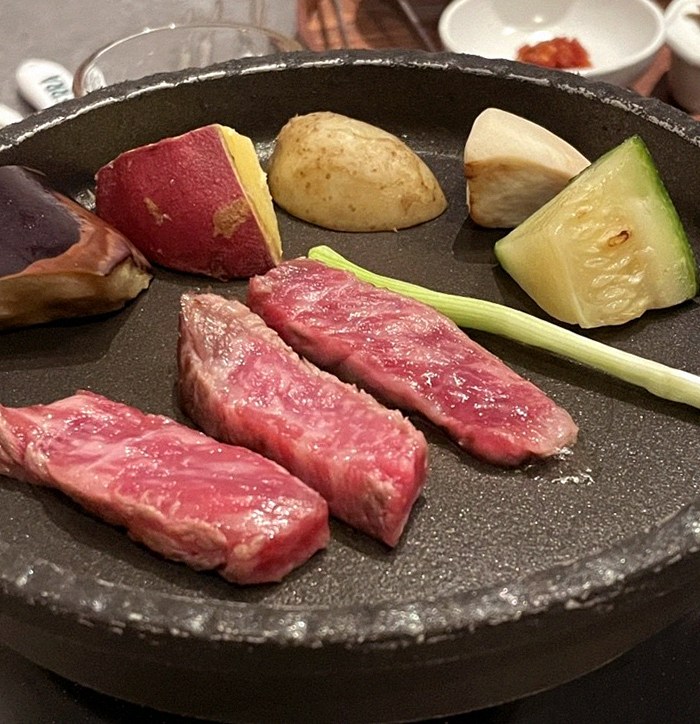
Experience Premium Korean Dining at WOOHANA Jonggak
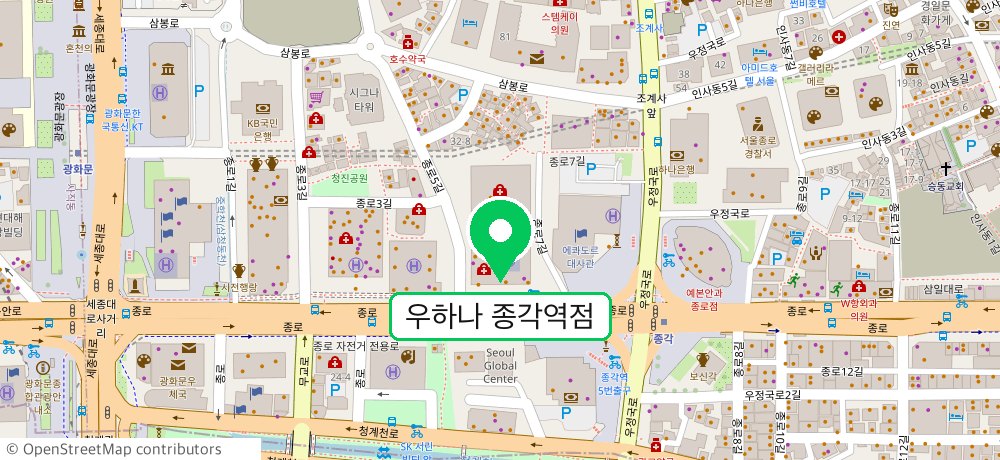
For those seeking an authentic Hanwoo omakase experience near Insadong and Jonggak, WOOHANA Jonggak offers a refined setting that balances tradition with modern comfort. Located in Jongno, one of Seoul's most culturally rich neighborhoods, WOOHANA specializes in premium Korean beef omakase featuring BMS No.9 Hanwoo—the highest marbling grade available.
Every space at WOOHANA Jonggak is a private room, ensuring the discretion and comfort essential for business meetings, anniversaries, or intimate gatherings. The restaurant's location near cultural landmarks makes it convenient for both locals and travelers exploring Seoul's historic center. Whether you're discovering Korean beef for the first time or you're a Hanwoo enthusiast seeking consistent excellence, the chef-curated omakase format guides you through the finest cuts with expert preparation and presentation.
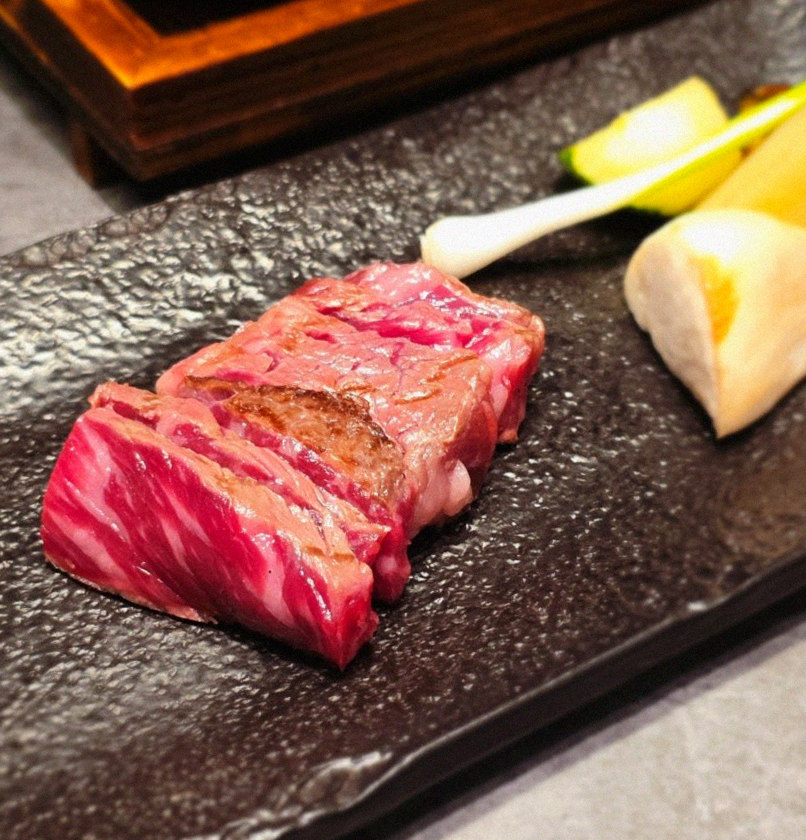
Reservations can be made through WOOHANA's Instagram, where you can also view current offerings and room availability. The combination of premium ingredients, private dining, and attentive service makes WOOHANA Jonggak an ideal choice for occasions that deserve something extraordinary.
FAQ
Q. What's the main difference between hanjeongsik and omakase?
A. Hanjeongsik presents many dishes simultaneously or in waves, emphasizing variety and balance across Korean cuisine. Omakase is a chef-curated sequential experience, typically focusing on premium ingredients like Hanwoo beef, with dishes presented one by one in a deliberate progression.
Q. Is WOOHANA Jonggak suitable for business dinners?
A. Yes, WOOHANA Jonggak is excellent for business entertainment (접대) and company dinners. All seating is in private rooms (룸), ensuring confidential conversations, and the premium Hanwoo omakase format demonstrates thoughtfulness and quality—important in Korean business culture.
Q. How do I reserve a table at WOOHANA Jonggak?
A. Reservations are accepted through WOOHANA's official Instagram account, where you can also check availability and current menu offerings. Given the private room format and premium ingredients, advance booking is recommended, especially for weekends and special occasions.
WOOHANA Jonggak — Jonggak, Seoul
- 🍽️ Reserve on CatchTable Global →
- Address: 서울 종로구 종로 33 그랑서울 타워1 2층 203호
- View on Google Maps →
- Reserve via Instagram: @woohana__