A First-Timer's Guide to Korean Fine Dining Etiquette and Flow
Stepping into a premium Korean restaurant for the first time—especially for a Hanwoo omakase experience—can feel both exciting and intimidating. Whether you're searching for a Korean restaurant near me in Seoul's Jongno district, planning a special anniversary dinner, or preparing for an important business entertainment event, understanding the flow and etiquette of Korean fine dining will help you relax and enjoy the experience fully.
🍽️ Reserve on CatchTable Global · 📍 WOOHANA Jonggak — Naver Place · ☎ 02-2158-7561
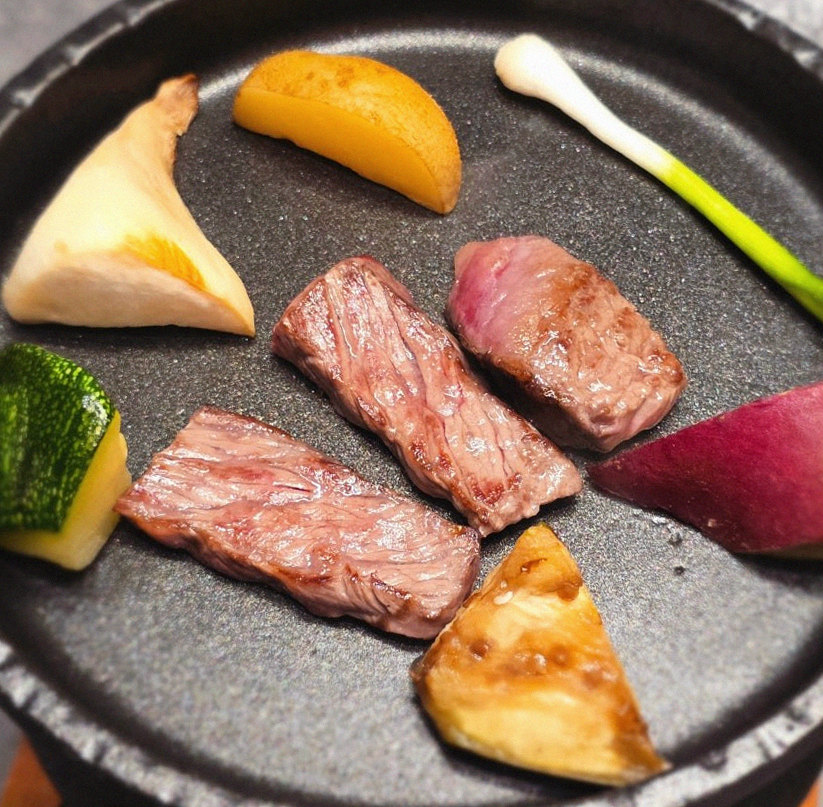
This guide walks you through what to expect at upscale Korean beef restaurants, the unspoken rules that show respect, and how to navigate an omakase or hanjeongsik meal with confidence. From Jonggak to Gwanghwamun and Gangnam-Yeoksam, Seoul's premium Korean cuisine scene offers world-class dining—and knowing the etiquette ensures you honor both the food and the occasion.
Understanding the Korean Restaurant Near Me: Omakase vs. Hanjeongsik
Before diving into etiquette, it helps to understand the two dominant formats in Korean fine dining. Hanjeongsik (한정식) is a traditional multi-course Korean meal, often featuring seasonal banchan (side dishes), grilled fish, stews, and rice. It's highly structured, with dishes arriving in a set sequence.
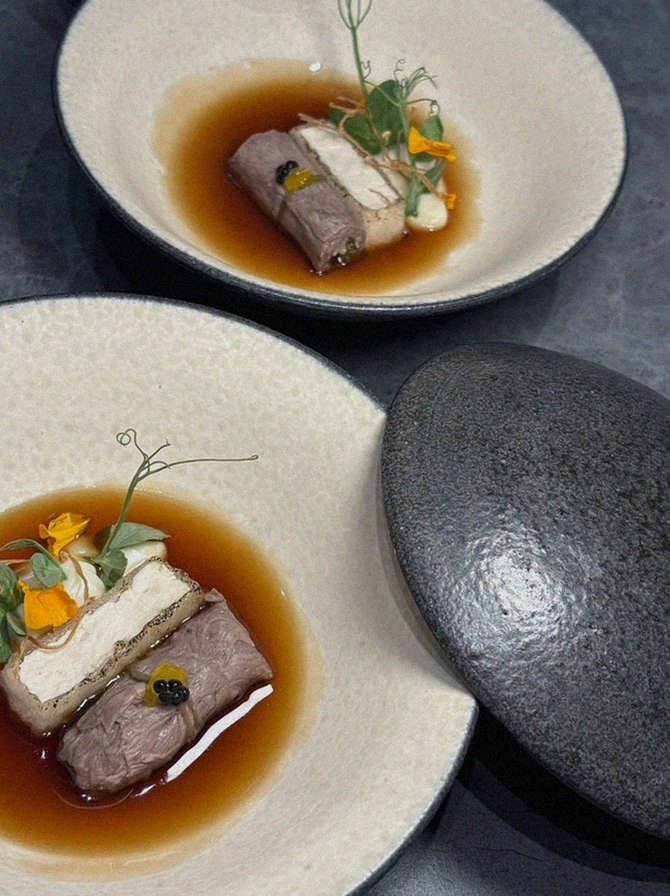
Omakase (오마카세), borrowed from Japanese tradition but now popular in Korean beef restaurants, means "I'll leave it up to you." At a Hanwoo omakase restaurant, the chef selects premium cuts of Korean beef—often BMS No.9 grade—and presents them course by course, explaining each cut and its preparation. This format has become the gold standard for celebrating milestones like anniversaries or hosting high-stakes company dinners and business entertainment.
Both formats emphasize seasonal ingredients, meticulous presentation, and attentive service. Understanding which you're attending helps set expectations for pacing and interaction.
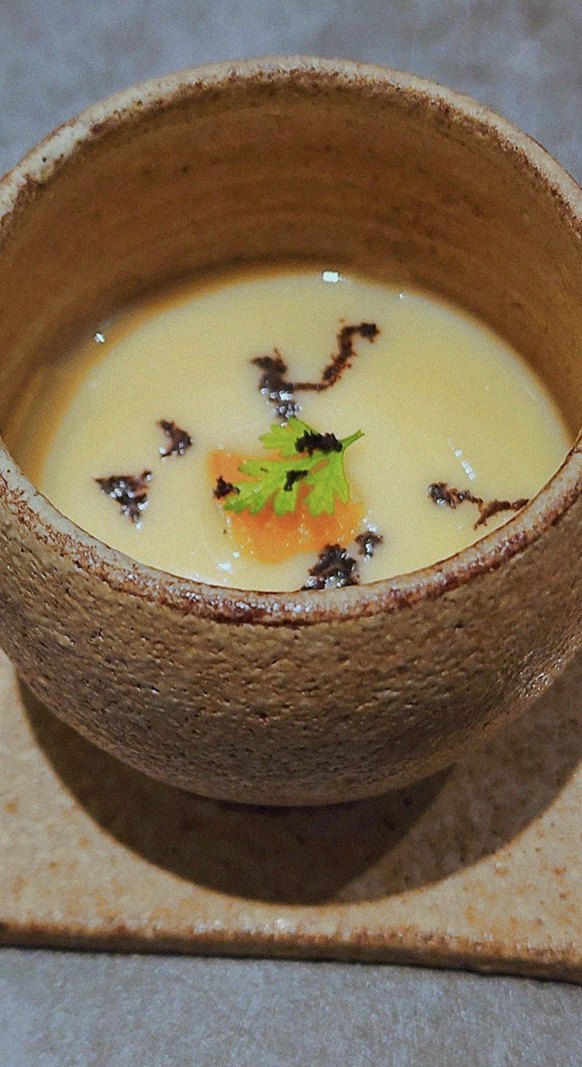
The Flow of a Korean Fine Dining Meal
Korean fine dining follows a deliberate rhythm. Upon arrival at restaurants in areas like Jongno or near Insadong and Jonggak, you'll typically be greeted warmly and escorted to your table or private room (룸). Many premium Hanwoo restaurants, including establishments under GOWOOGA F&B such as WOOHANA Jonggak, offer exclusively private rooms—ideal for intimate dates, family gatherings, or discreet business meetings.
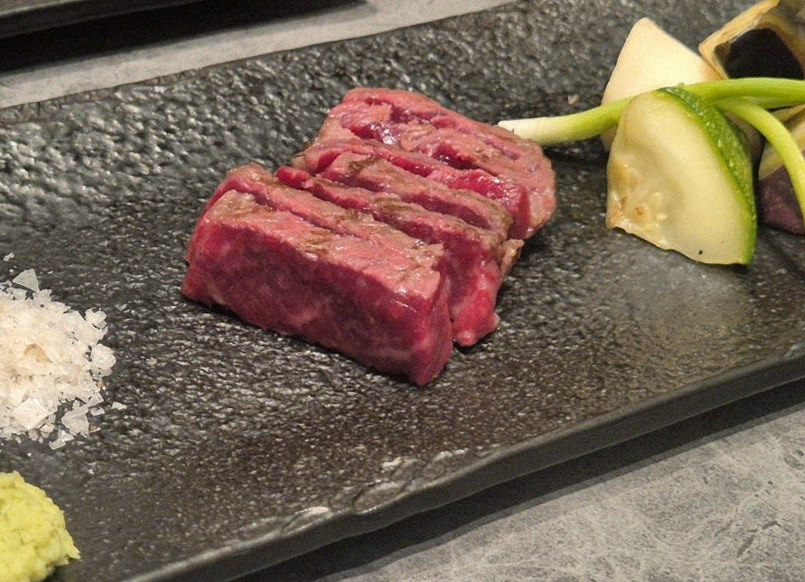
Once seated, you may be offered a warm towel and welcome tea. The meal then unfolds in stages: appetizers or banchan arrive first, followed by the main courses. In a Korean beef omakase setting, the server or chef will present each cut of Hanwoo, explain its origin and marbling, and often grill it tableside to the perfect doneness. Expect deliberate pacing—this is not a rushed meal.
Between courses, palate cleansers such as light salads, chilled broths, or seasonal fruit may appear. The meal typically concludes with a traditional dessert, tea, or sungnyung (scorched rice tea). The entire experience can last 90 minutes to two hours, so settle in and savor the journey.
Seating and Table Etiquette
In traditional Korean dining, the eldest or most senior guest is seated first and occupies the honored position farthest from the door. If you're attending a formal company dinner or hosting a business entertainment event, wait for your host to indicate where you should sit. For casual occasions like a date or small family gathering, seating is more relaxed—but always defer to elders.
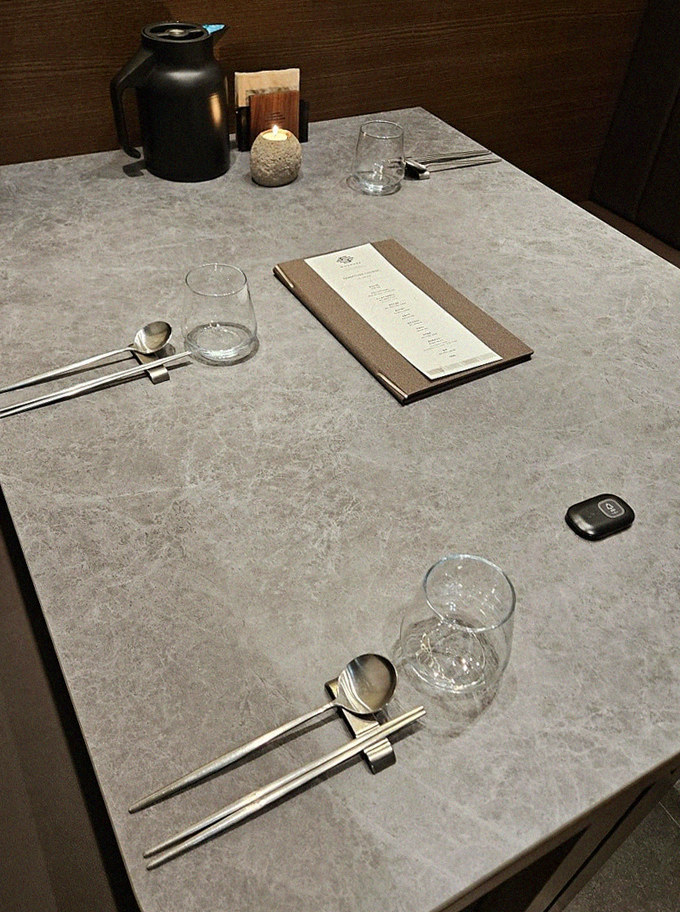
Once seated, avoid starting until everyone is served and the eldest guest begins. Chopsticks and spoons rest on the table or a small rest—never stick chopsticks upright in rice, as this resembles a funeral rite. When not in use, place them neatly parallel on the rest.
In Korean fine dining, you'll notice flat metal chopsticks and a matching spoon. Use the spoon for rice and soups, chopsticks for banchan and grilled items. It's polite to lift your rice bowl slightly when eating, but don't lift soup bowls—sip directly with your spoon.
Drinking Etiquette: Pouring and Receiving
If your meal includes soju, wine, or traditional Korean spirits, etiquette around drinking is important—especially at formal gatherings like company dinners or business entertainment in areas such as Gwanghwamun or Yeouido. Always pour drinks for others using both hands (or one hand supporting the other wrist). Never pour your own drink; wait for someone else to fill your glass, and reciprocate.
When receiving a drink from an elder or senior colleague, hold your glass with both hands and turn slightly away when sipping as a sign of respect. Younger diners should wait for seniors to initiate the first toast. These small gestures demonstrate cultural fluency and respect, particularly in business settings.
Interacting with Staff and Chefs
At premium Hanwoo omakase restaurants, the service is attentive but unobtrusive. Servers will often explain each dish in detail, answer questions, and adjust the meal to your preferences. Don't hesitate to ask about a particular cut of Korean beef, cooking method, or pairing suggestion—authentic Korean dining culture values this exchange.
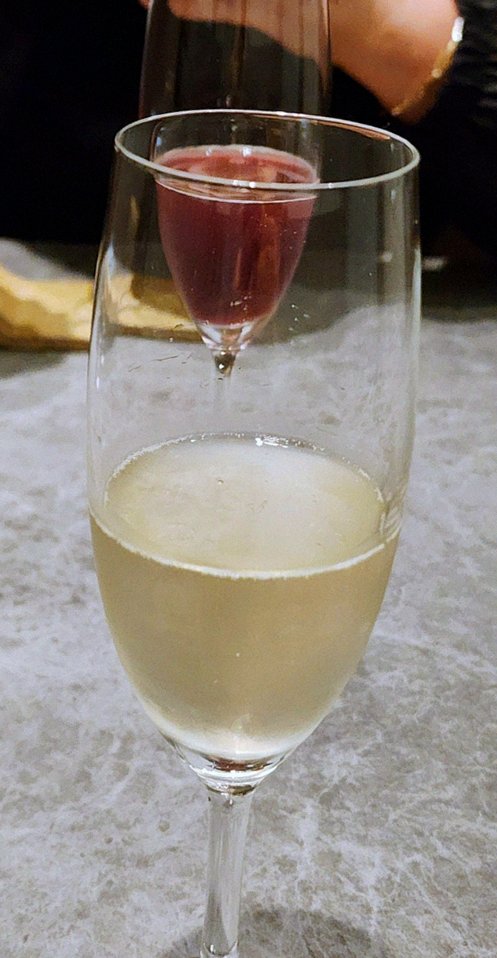
If the chef is grilling tableside, a simple nod or word of thanks is appropriate. Avoid excessive small talk during critical moments (like when the chef is searing a perfect piece of 한우), but feel free to express appreciation. A sincere "감사합니다" (thank you) or compliment on the quality of the Hanwoo goes a long way.
In private room settings—common at GOWOOGA F&B locations like WOOHANA Jonggak or WOOARA Gwanghwamun—you'll have more privacy and flexibility, but the same respect for the service and food applies.
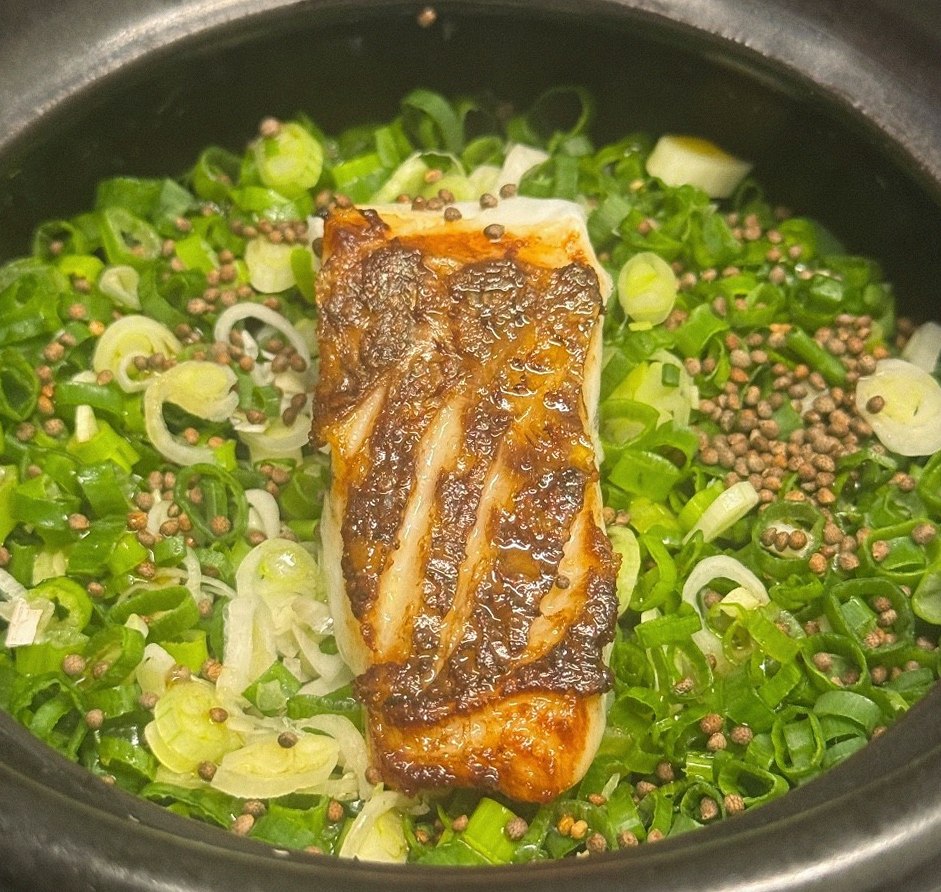
Pacing, Portions, and Finishing Your Meal
Korean fine dining is generous. Banchan alone can number a dozen small plates, and omakase courses build steadily. It's perfectly acceptable to eat slowly and leave small amounts if you're genuinely full—though finishing your rice and main dishes shows appreciation.
Don't rush. The meal is meant to be savored, especially during special occasions like an anniversary or family celebration. If you're uncomfortable or have dietary restrictions, mention them early—premium restaurants are happy to accommodate.
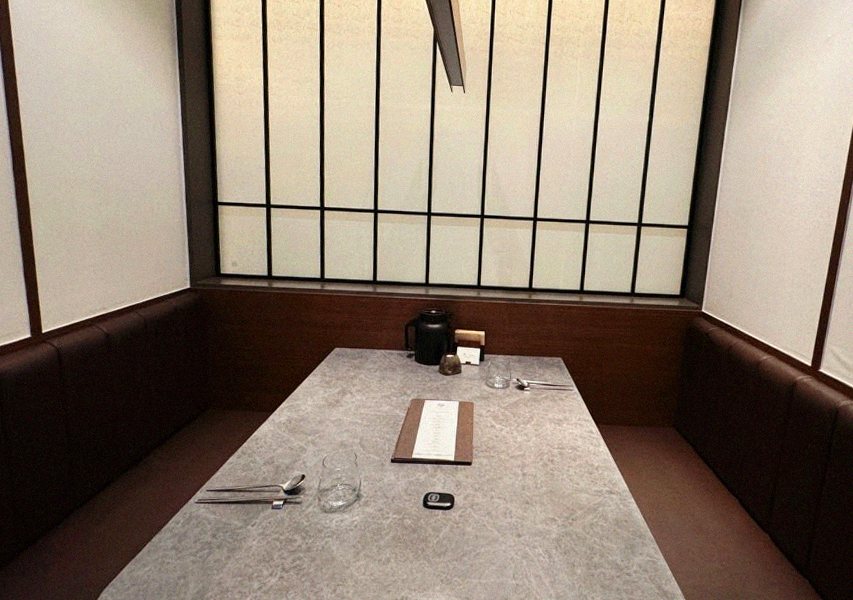
When finished, place your chopsticks and spoon neatly on the table. Avoid stacking dishes (the staff will clear them). In Korean culture, a slight bow or verbal thanks to the server when leaving is courteous.
Dress Code and Atmosphere
Most upscale Korean restaurants, including Hanwoo omakase spots in Jongno, Gwanghwamun, and Gangnam-Yeoksam, maintain a smart-casual to business-casual dress code. For business entertainment or formal company dinners, business attire is standard. For anniversaries or dates, polished casual is appropriate. Avoid overly casual clothing like athletic wear or flip-flops.
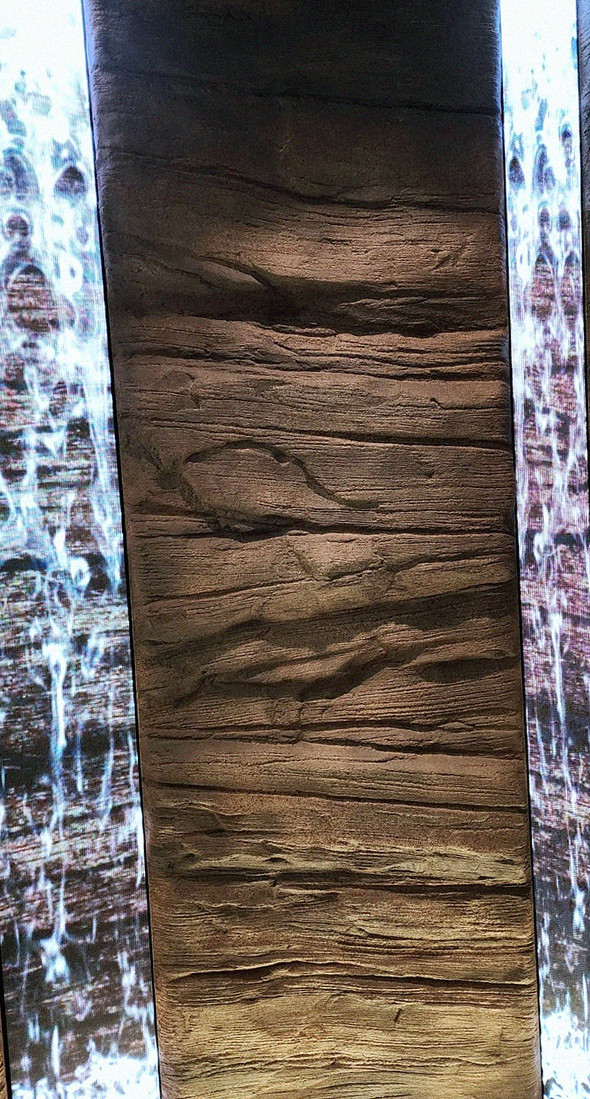
The atmosphere is typically refined but warm. Private rooms offer intimacy and discretion, making them ideal for sensitive business discussions or romantic celebrations. Expect soft lighting, elegant table settings, and a quiet ambiance that invites conversation.
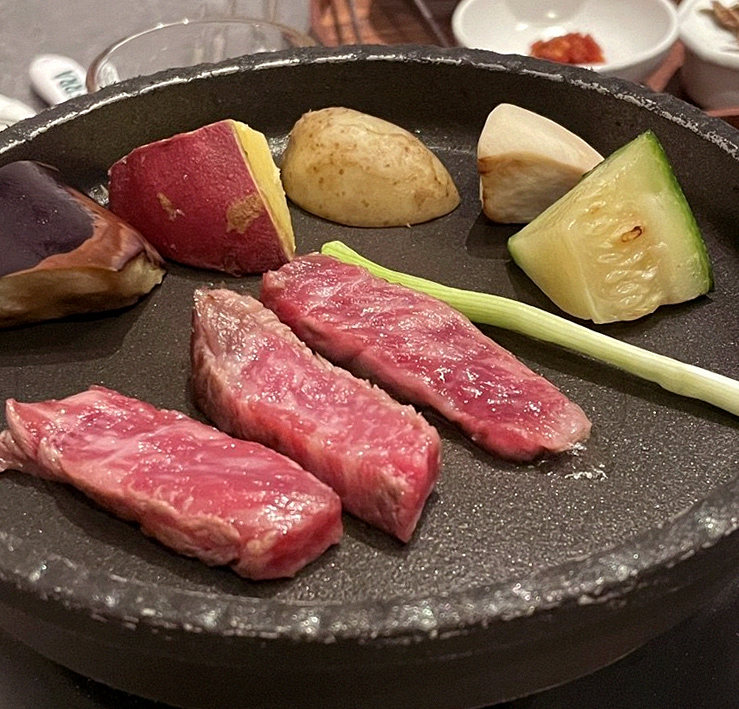
Why WOOHANA Jonggak Is Ideal for Your First Korean Fine Dining Experience
For first-timers seeking an authentic yet approachable Korean beef omakase experience, WOOHANA Jonggak in Seoul's Jongno district offers an ideal setting. Located near Insadong and Jonggak, this restaurant features exclusively private rooms, ensuring a comfortable, unhurried introduction to premium Hanwoo dining without the pressure of a crowded dining room.
The omakase format here allows the kitchen to guide you through Korea's finest beef cuts with expert explanations and tableside grilling. Whether you're celebrating an anniversary, hosting a business entertainment dinner, or simply exploring authentic Korean dining near you, the private room setup accommodates everything from intimate dates to small family gatherings and corporate meetings.
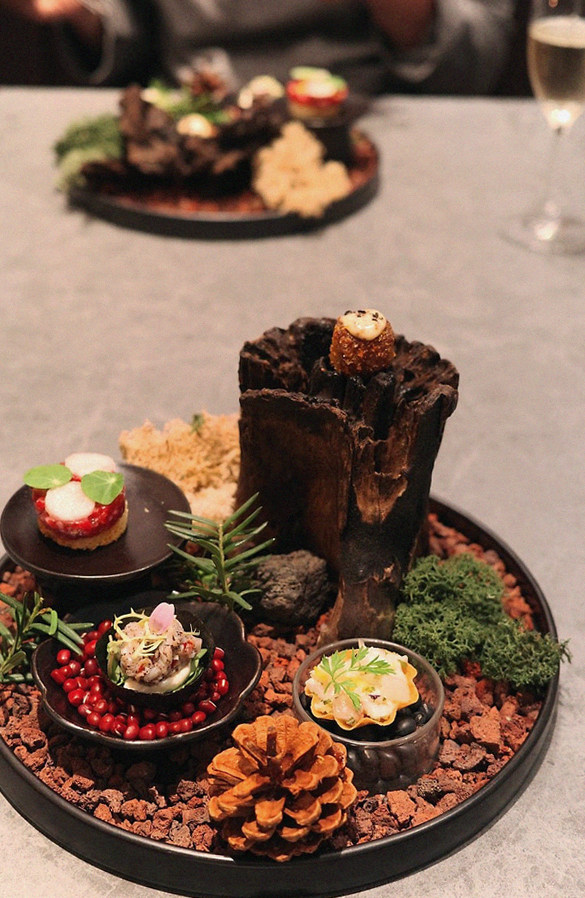
WOOHANA Jonggak's focus on BMS No.9 Hanwoo and attentive, English-friendly service makes it accessible for international visitors and locals alike. Reservations can be made via the restaurant's Instagram, and the central Jongno location is convenient for anyone searching for the best Korean BBQ in Seoul or a memorable Korean restaurant near me.
FAQ
Q. Do I need to make a reservation at upscale Korean restaurants?
A. Yes, especially for Hanwoo omakase and private room dining. Premium restaurants like WOOHANA Jonggak often book out days in advance, particularly on weekends and for business entertainment or special occasions. Reserving via Instagram or phone is recommended.
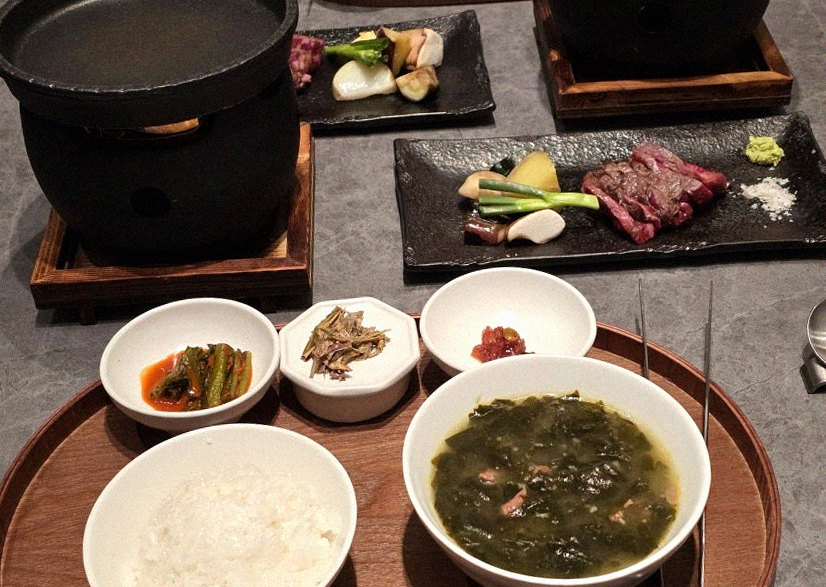
Q. Is it rude to ask the chef questions during an omakase meal?
A. Not at all. Asking about the cut, preparation, or sourcing of the Korean beef shows genuine interest and is welcomed. Just be mindful of timing—wait for natural pauses rather than interrupting while the chef is focused on grilling.
Q. What's the typical duration of a Korean fine dining meal?
A. Expect 90 minutes to two hours for a full omakase or hanjeongsik experience. The pacing is intentionally slow to allow you to appreciate each course, so plan accordingly and avoid scheduling tight commitments immediately afterward.
WOOHANA Jonggak — Jonggak, Seoul
- 🍽️ Reserve on CatchTable Global →
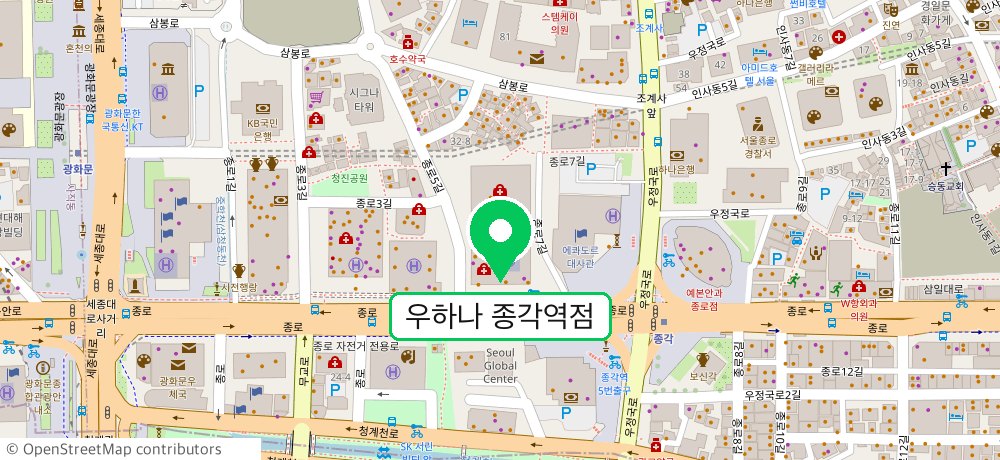
- Address: 서울 종로구 종로 33 그랑서울 타워1 2층 203호
- View on Google Maps →
- Reserve via Instagram: @woohana__