Korean Fine Dining: Where Tradition Meets Refined Tasting Courses
Korean fine dining, or hansik fine dining (한식 파인다이닝), represents a remarkable evolution of Korea's culinary heritage. Rather than abandoning centuries-old techniques and flavors, this movement elevates traditional Korean cuisine through meticulous preparation, premium ingredients, and artful presentation. For travelers and locals alike searching for an authentic yet refined Korean dining experience, understanding this landscape opens doors to some of Seoul's most memorable meals—especially at restaurants near Deoksugung and throughout the city's cultural heart.
🍽️ Reserve on CatchTable Global · 📍 DAEBOJUNG City Hall — Naver Place · ☎ 02-310-9554
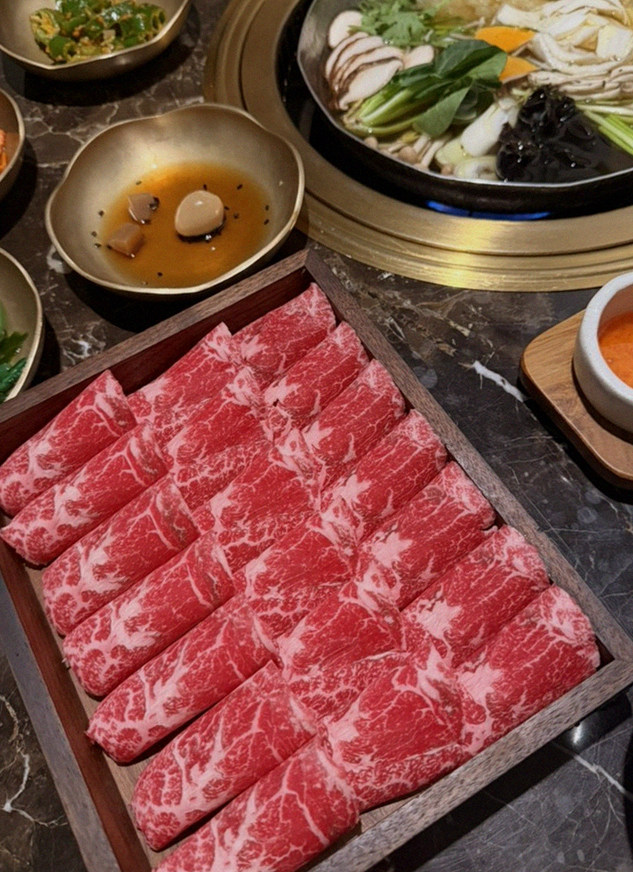
At its core, Korean fine dining preserves the soul of traditional Korean cuisine while refining the experience into thoughtfully curated tasting courses. Think of it as the natural progression of hanjeongsik (한정식), the traditional full-course Korean meal, reimagined for contemporary palates without losing its essence.
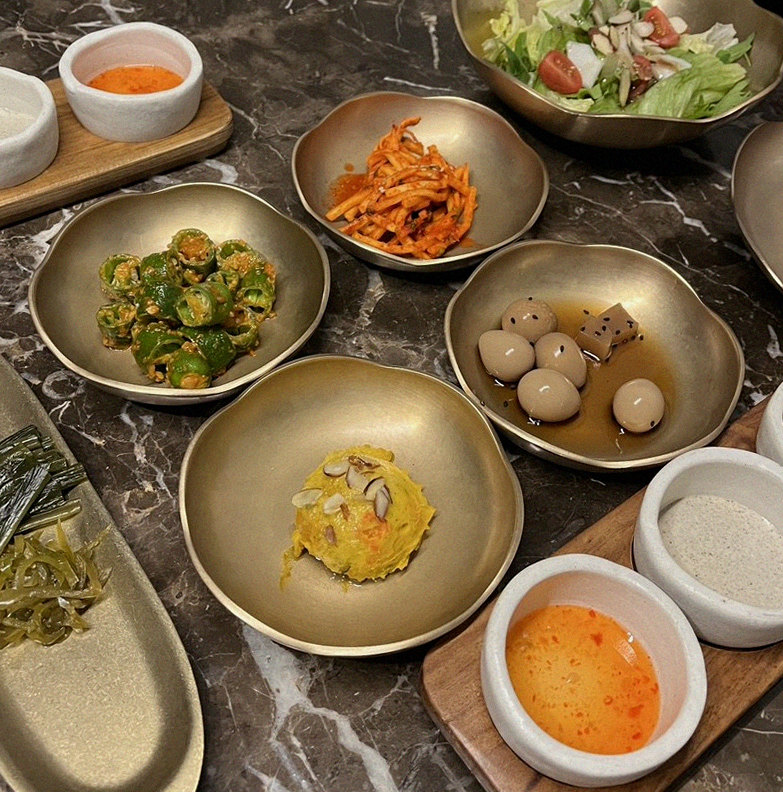
What Defines Korean Fine Dining Today
The hallmark of premium Korean cuisine today is the careful balance between honoring tradition and embracing refinement. Unlike Western fine dining that often builds around a single protein, Korean fine dining celebrates diversity—a progression of small, expertly prepared dishes that tell a story of seasons, regions, and techniques passed down through generations.
Central to many Korean fine dining experiences is Hanwoo (한우), Korea's prized native beef. Korean beef omakase restaurants have become particularly popular, blending the Japanese omakase (오마카세) philosophy—"I'll leave it up to you"—with Korea's own beef culture. The chef selects premium cuts, often graded BMS No.9 for exceptional marbling, and prepares them in a sequence that showcases different textures, flavors, and cooking methods.
This approach creates an intimate, educational dining journey. You're not simply ordering off a menu; you're entrusting the chef to guide you through the best the kitchen can offer that day, much like a traditional Korean meal where the host determines the flow of dishes to ensure balance and harmony.
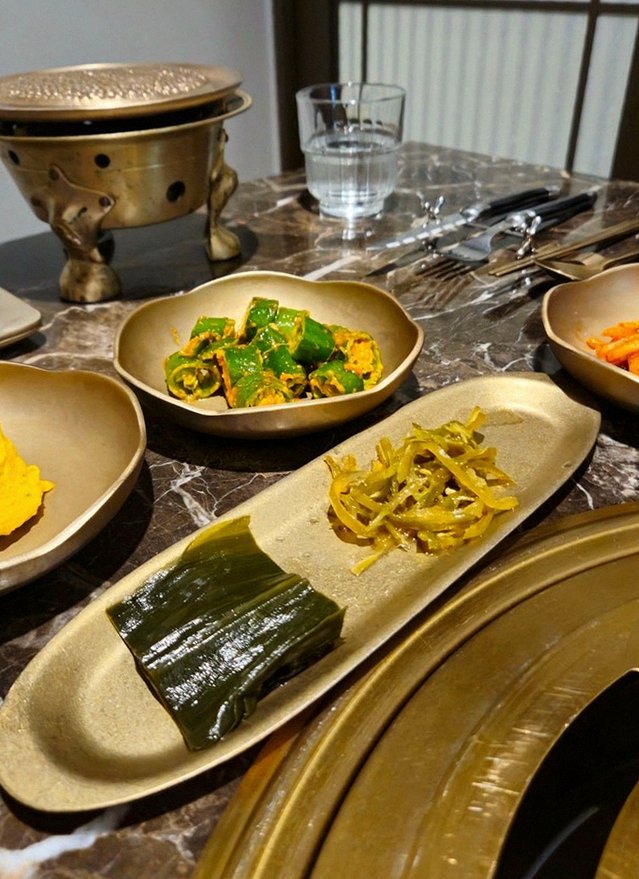
Seoul Hanwoo Omakase: Where to Experience It
Seoul's dining landscape offers exceptional Hanwoo omakase across several key districts. GOWOOGA F&B operates premium Hanwoo omakase restaurants throughout the city, each offering all-private-room dining for an intimate experience. Their locations span Yeouido (여의도), Gwanghwamun (광화문), and Gangnam-Yeoksam (강남·역삼) under the GOWOOGA name, with WOOHANA in Jonggak (종각), WOOARA in Gwanghwamun, and DAEBOJUNG near City Hall (시청).
What unites these establishments is their commitment to premium ingredients—exclusively BMS No.9 Hanwoo—and the private room format that has long been central to Korean dining culture. Private rooms, or room dining (룸/룸식당), provide the comfort and privacy that make Korean fine dining ideal for important occasions: business entertainment (접대), company dinners (회식), family gatherings, anniversaries (상견례), and romantic dates (데이트).
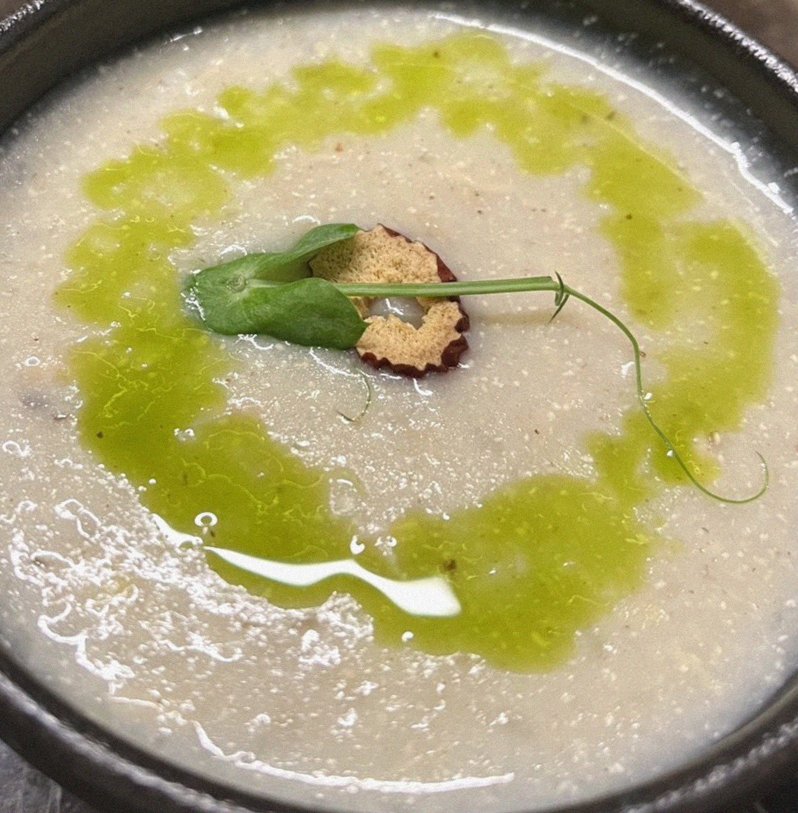
The Tasting Course Structure in Korean Fine Dining
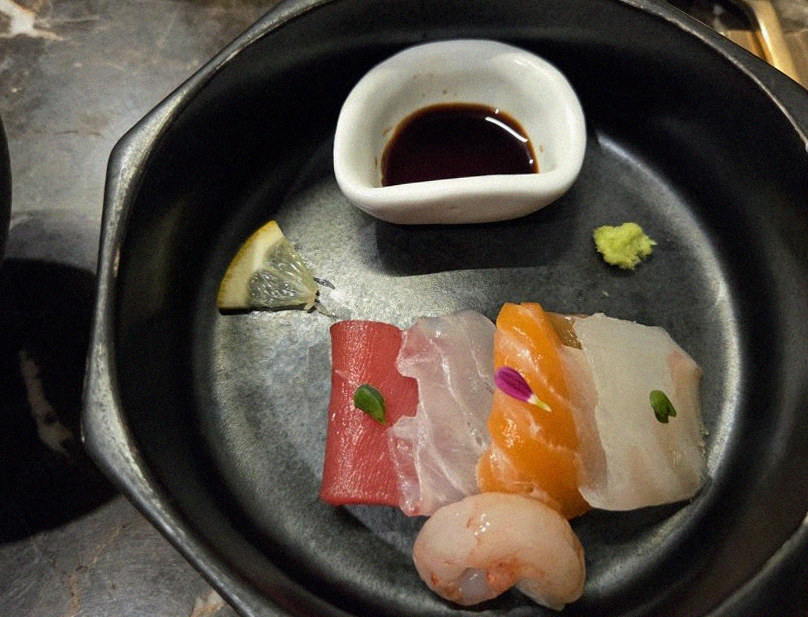
A typical Korean fine dining course unfolds in waves, much like traditional hanjeongsik, but with greater focus and refinement. You might begin with delicate appetizers—seasonal vegetables, house-made kimchi, or chilled broths—that awaken the palate. The main progression then features premium Hanwoo: perhaps raw beef preparations, grilled cuts showcasing different marbling levels, hearty stews, and finishing dishes like naengmyeon (cold noodles) or rice cooked in stone pots.
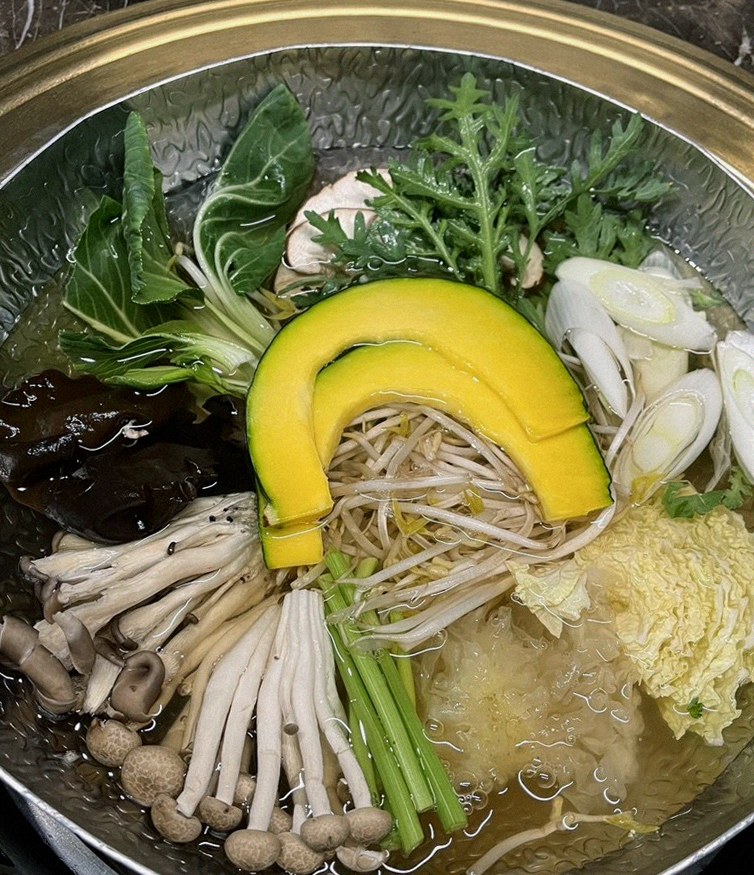
Each course is carefully timed and explained, creating an experience that's both educational and deeply satisfying. The chef becomes your guide, introducing you to cuts you may never have tried, cooking techniques that maximize each piece's unique qualities, and the stories behind the ingredients.
Occasions That Call for Korean Fine Dining
The refined yet warm atmosphere of Korean fine dining makes it versatile for many occasions. Business entertainment and company dinners benefit from the private room setting, which facilitates conversation without distraction. The quality of ingredients and service signals respect for your guests—crucial in Korean business culture.
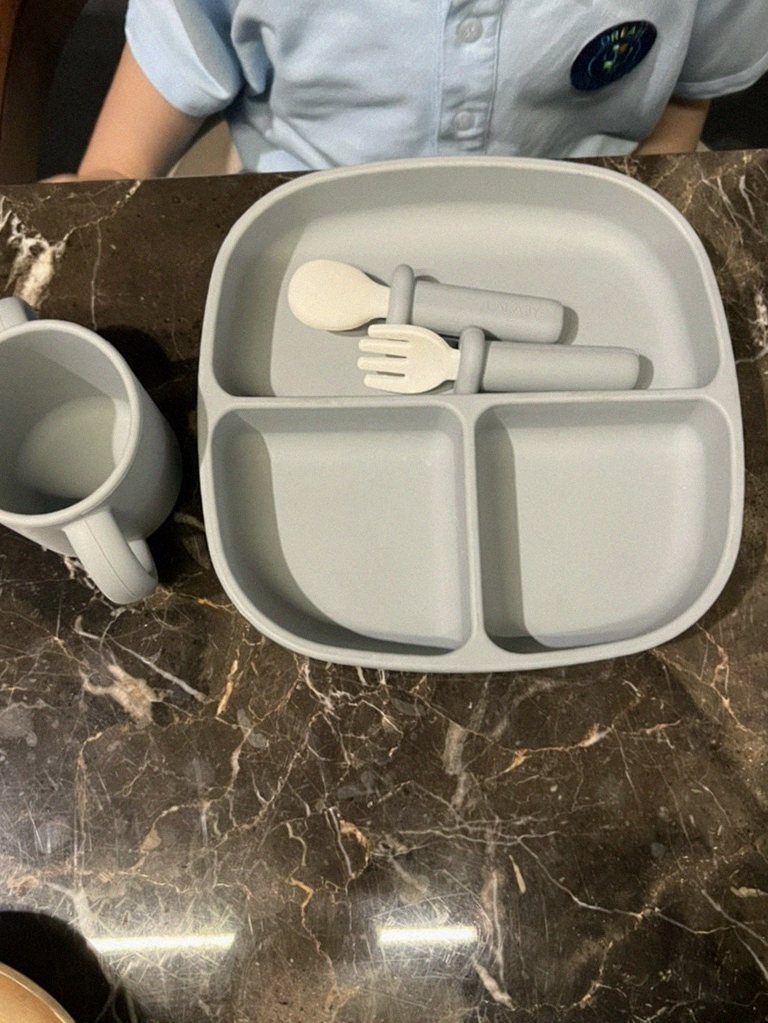
For personal celebrations—anniversaries, milestone birthdays, or important family gatherings like sanggyeonrye (상견례, meeting the prospective in-laws)—the intimate, unhurried pace of a tasting course creates space for connection. Unlike rushed meals, Korean fine dining encourages lingering, making it ideal when the company matters as much as the food.
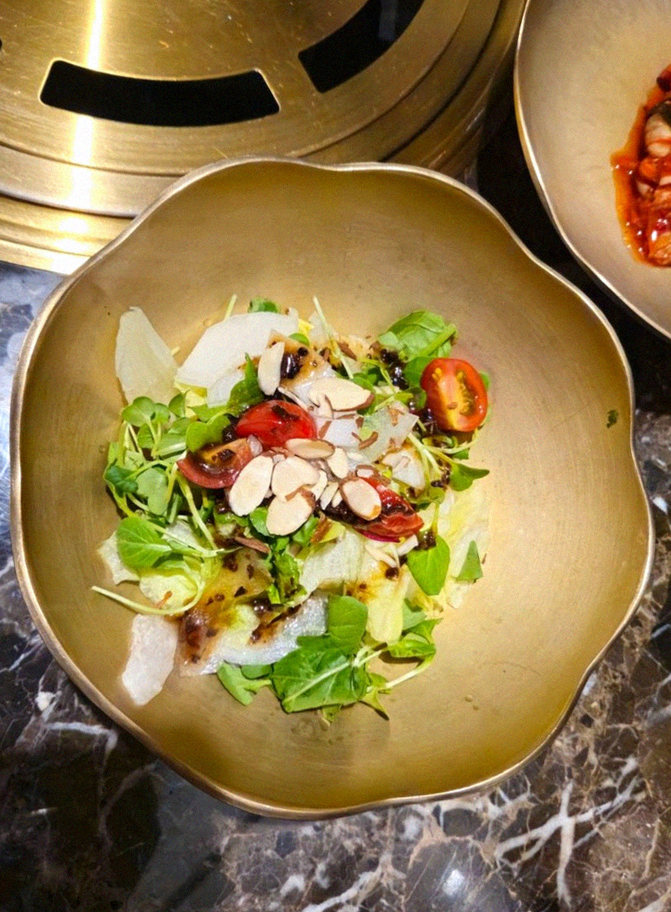
Why Authentic Korean Dining Matters
In an era of fusion and experimentation, authentic Korean dining grounds the experience in real culinary heritage. The techniques used in premium Korean cuisine—aging doenjang (fermented soybean paste), selecting seasonal vegetables at peak ripeness, dry-aging Hanwoo to intensify flavor—require time, knowledge, and respect for ingredients.
This authenticity doesn't mean rigidity. The best Korean fine dining restaurants honor tradition while allowing ingredients and seasons to guide the menu. What you taste in spring will differ from autumn, and the chef's skill lies in knowing how to highlight those differences.
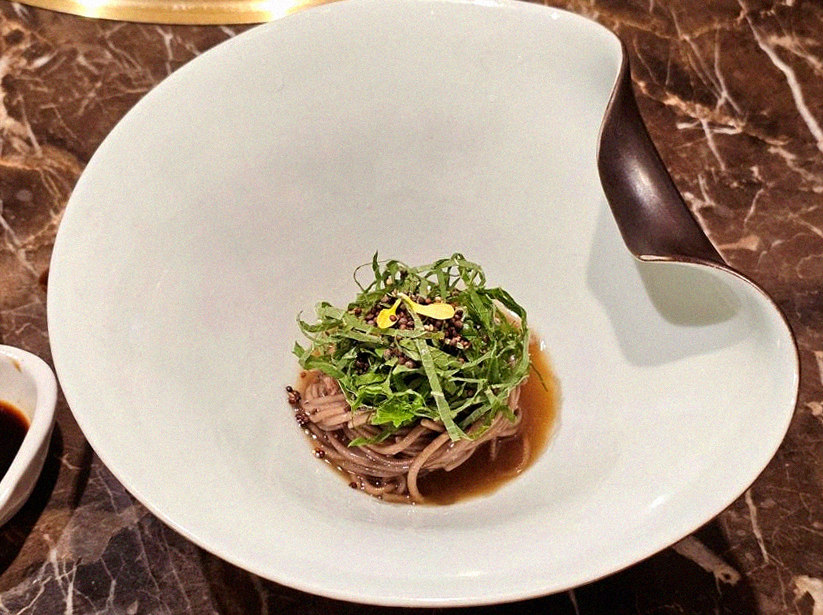
Navigating Seoul's Best Restaurants for Korean Fine Dining
Seoul's dining scene can feel overwhelming, especially around cultural hubs like Gwanghwamun and Jongno, where centuries-old palaces sit alongside modern towers. When searching for the best restaurants in these areas, consider what kind of experience you want. Are you seeking a chef-driven tasting menu? A private room for an important dinner? A deep dive into traditional techniques with premium ingredients?
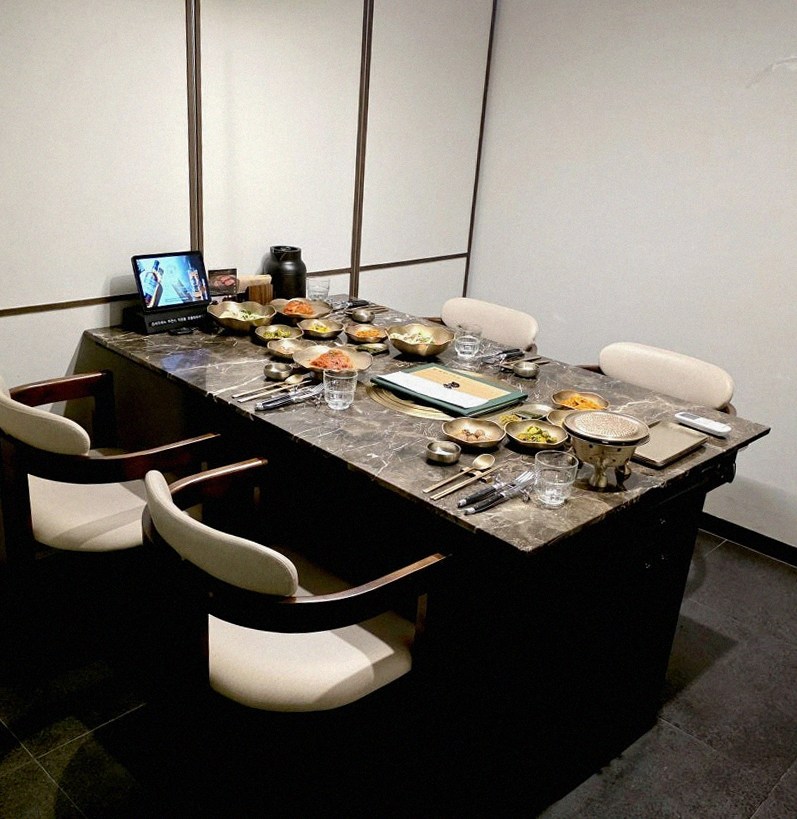
The Gwanghwamun area, home to Gyeongbokgung Palace and the National Museum of Korea, offers convenient access to both history and refined dining. Nearby Jongno has long been Seoul's cultural center, and the concentration of excellent restaurants reflects that legacy. For those staying near Seoul Station or exploring Deoksugung Palace, the surrounding area provides equally compelling options without straying far from central Seoul.
Reserve Your Table Online: Planning Your Visit
Premium Korean cuisine restaurants, particularly those offering omakase courses, typically require reservations. Many establishments now accept bookings through their official Instagram accounts, streamlining the process for international visitors who may not be comfortable calling in Korean. When booking, mention any dietary restrictions, the occasion (if it's a celebration), and your preferred dining time. Korean fine dining courses often run 1.5 to 2 hours, so plan accordingly.
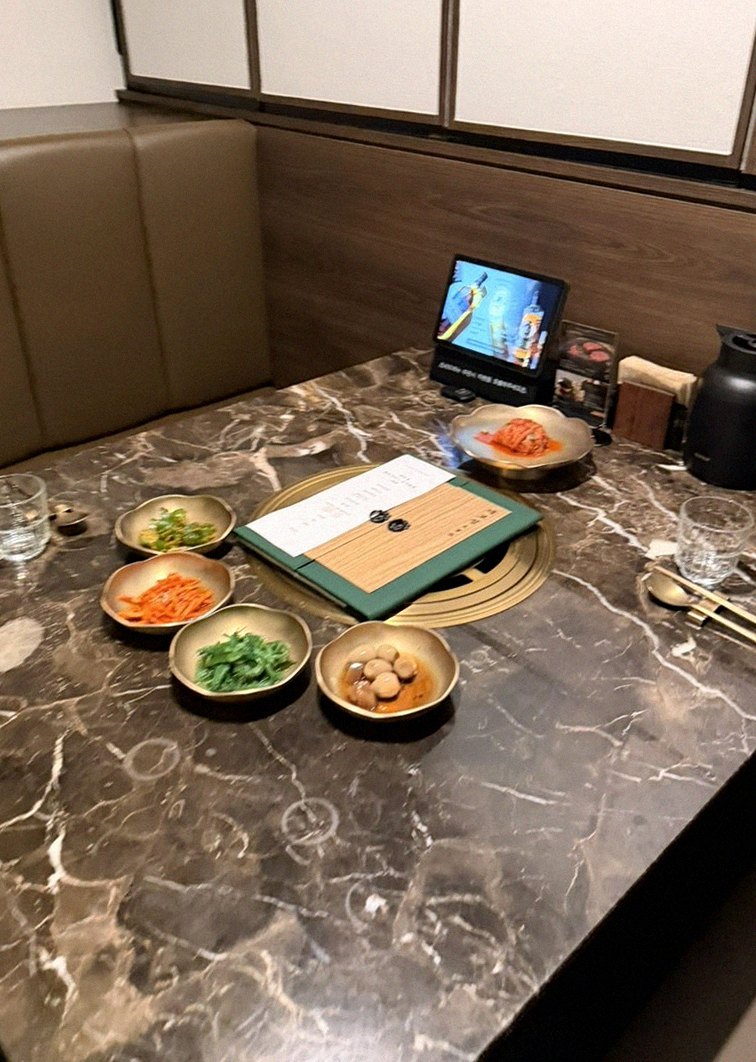
DAEBOJUNG City Hall: Where Fine Dining Meets Seoul's Historic Heart
DAEBOJUNG City Hall, located in the City Hall area near Deoksugung Palace, exemplifies the Korean fine dining ethos. The restaurant features all private rooms, creating an environment where conversations flow freely and every detail is tailored to your party. The Hanwoo omakase courses showcase BMS No.9 Korean beef through various preparations, guided by chefs who understand how to balance richness with freshness, tradition with refinement.
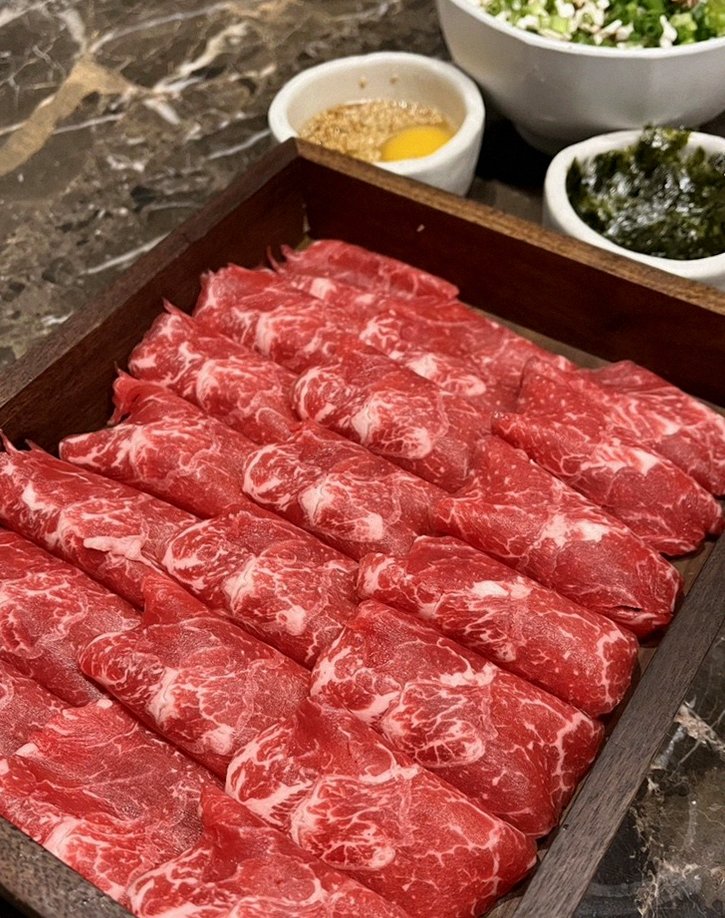
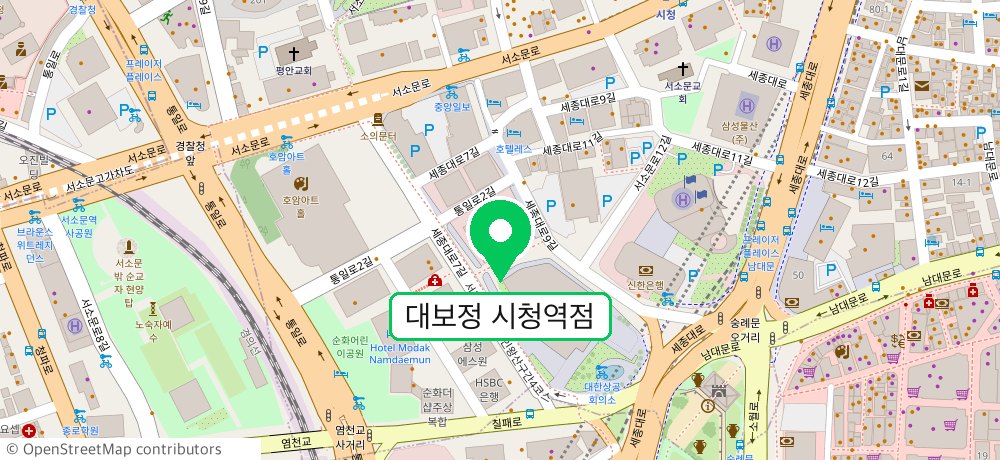
The location makes it particularly convenient for visitors exploring Seoul's historic core—Deoksugung, City Hall Plaza, and the surrounding cultural sites are all within walking distance. Whether you're concluding a day of sightseeing or hosting business guests in central Seoul, DAEBOJUNG offers the kind of refined, authentic Korean dining experience that feels both special and grounded in real culinary tradition.
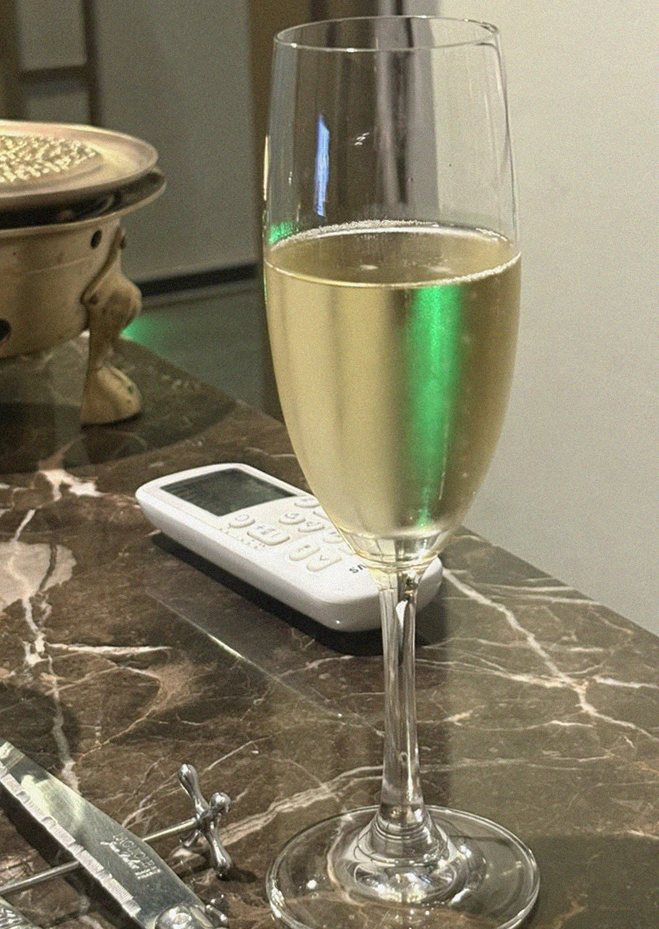
For business entertainment or important family occasions, the private room format ensures comfort and privacy. For couples seeking a romantic date or food enthusiasts wanting to explore premium Korean cuisine, the omakase structure provides education and discovery in equal measure. The City Hall location bridges old and new Seoul, much like the cuisine itself.
FAQ
Q. What makes Hanwoo omakase different from regular Korean BBQ?
A. Hanwoo omakase features premium BMS No.9 Korean beef prepared by the chef in a curated tasting sequence, showcasing various cuts and cooking techniques. Regular Korean BBQ typically lets diners grill their own meat from a menu of choices. Omakase is a guided culinary journey; BBQ is interactive and customizable.
Q. Do I need to make a reservation for Korean fine dining restaurants near Deoksugung?
A. Yes, reservations are strongly recommended, especially for omakase courses and private room dining. Many premium Korean restaurants accept bookings through their official Instagram accounts, making it easy to reserve even if you don't speak Korean.
Q. Is Korean fine dining appropriate for business dinners and company entertainment?
A. Absolutely. The private room setting, premium ingredients, and attentive service make Korean fine dining ideal for business entertainment (접대) and company dinners (회식). The format allows for focused conversation while demonstrating respect and hospitality to your guests.
DAEBOJUNG City Hall — City Hall, Seoul
- 🍽️ Reserve on CatchTable Global →
- Address: 서울 중구 세종대로9길 41 지하1층 4호
- View on Google Maps →
- Reserve via Instagram: @daebojung