Weekday Lunch Omakase: A Refined Midday Treat in Seoul
In a city where lunch often means hurried kimbap or a quick bowl of bibimbap, a growing number of Seoulites and visitors are discovering a more refined alternative: weekday lunch omakase featuring premium Hanwoo, Korea's prized native beef. This elevated dining experience transforms the midday meal into something memorable, offering the same meticulous preparation and quality cuts typically reserved for evening occasions—but in a quieter, more relaxed atmosphere.
🍽️ Reserve on CatchTable Global · 📍 DAEBOJUNG Yeouido — Naver Place · ☎ 02-782-9554
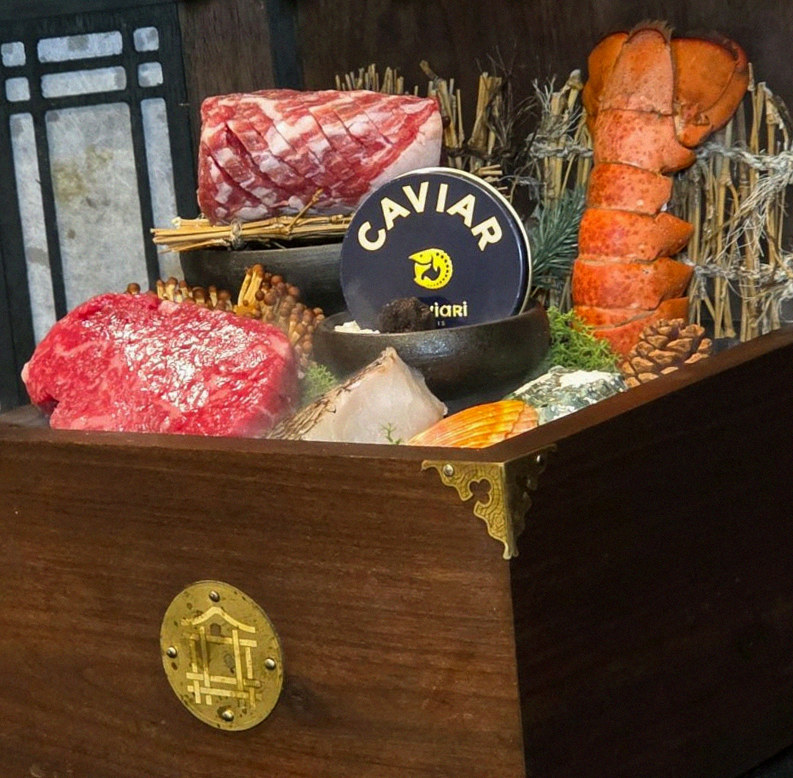
Hanwoo Seoul has long been synonymous with special evening celebrations, yet the weekday lunch omakase trend reveals a different side of Korean beef culture. Away from the bustle of dinner crowds, these daytime experiences allow diners to fully appreciate each cut's marbling, texture, and flavor under the guidance of skilled chefs. For business professionals seeking a sophisticated setting for Korean restaurant Yeouido meetings, travelers wanting to maximize their Seoul itinerary, or locals treating themselves to a midweek reprieve, lunch omakase strikes an ideal balance between indulgence and efficiency.
Why Lunch Omakase Makes Sense in Seoul
The concept of omakase—entrusting the chef to select and prepare your meal—translates beautifully to Korean beef cuisine. During weekday lunch hours, omakase restaurants can dedicate more attention to each guest, explaining the nuances of different Hanwoo cuts, the significance of marbling grades, and the optimal cooking times for each piece. This educational component enriches the experience beyond simply eating well.
Timing plays a crucial role. Lunch omakase typically runs shorter than evening courses, usually 60 to 90 minutes, making it feasible for business entertainment or a special date without consuming the entire afternoon. The natural daylight streaming through restaurant windows also allows diners to truly see the beef's quality—the intricate fat distribution, the deep red color of premium cuts, the way each piece transforms on the grill.
For visitors exploring Seoul's culinary landscape, lunch omakase offers exceptional value. Many establishments feature the same premium Hanwoo and expert preparation as their dinner service, often at more accessible price points. This makes it possible to experience Korean bbq Seoul at its finest without the premium traditionally attached to evening reservations.
The Yeouido Advantage for Midday Dining
Yeouido has emerged as one of Seoul's premier destinations for Korean food Yeouido enthusiasts seeking refined lunch experiences. This financial district, home to Seoul's major broadcasting companies and corporate headquarters, naturally cultivates restaurants that understand the needs of discerning midday diners. The area's proximity to cultural landmarks like The Hyundai Seoul and IFC Mall means visitors can easily combine their culinary experience with shopping or sightseeing.
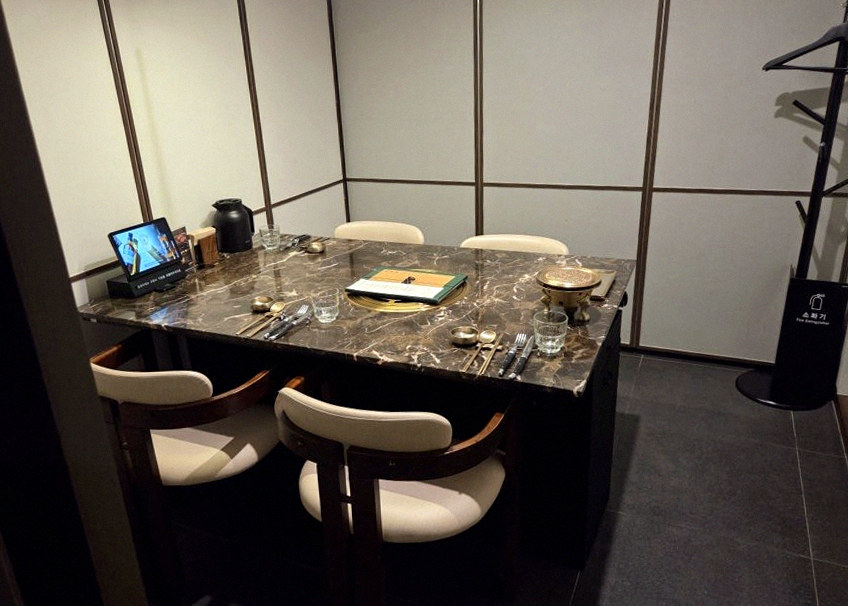
What sets Yeouido meat restaurant options apart is their emphasis on privacy and professional service. Many establishments in this district exclusively feature private rooms—an important consideration for business meals, intimate celebrations, or anyone who prefers dining without the distraction of crowded dining halls. These private spaces allow conversations to flow naturally while the chef prepares each course at a dedicated grill within your room.
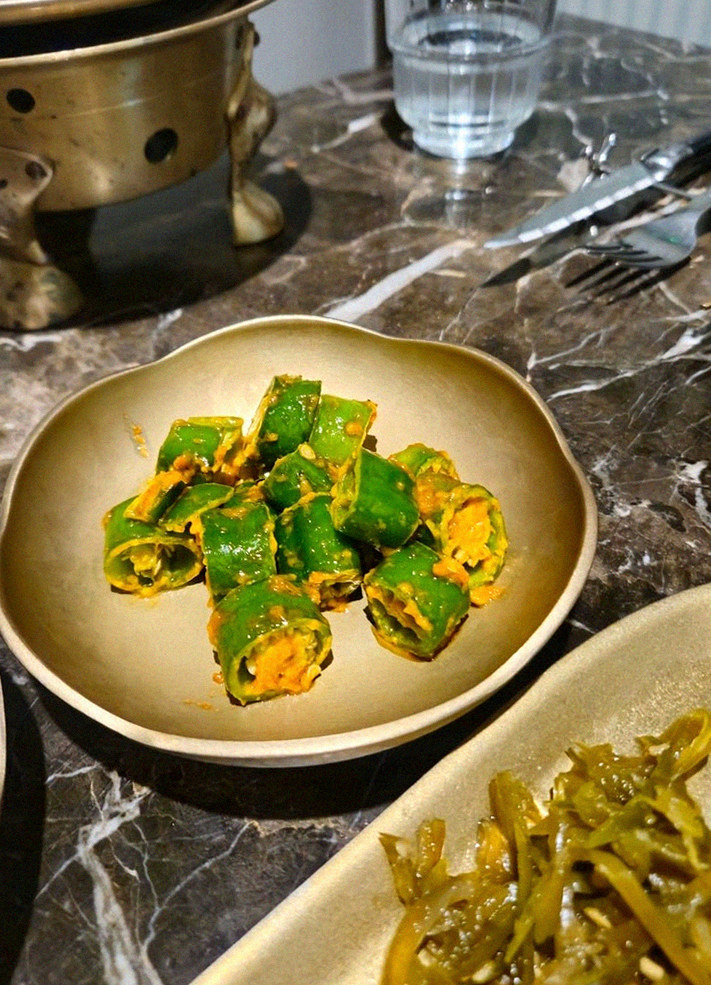
The neighborhood's infrastructure also supports the lunch omakase experience. Excellent subway connections, ample parking, and concentration of office buildings mean restaurants here are designed for efficiency without sacrificing quality. You can arrive, enjoy a thoughtfully paced meal, and return to your afternoon plans without the stress of navigating congested areas.
What to Expect from Your Lunch Omakase
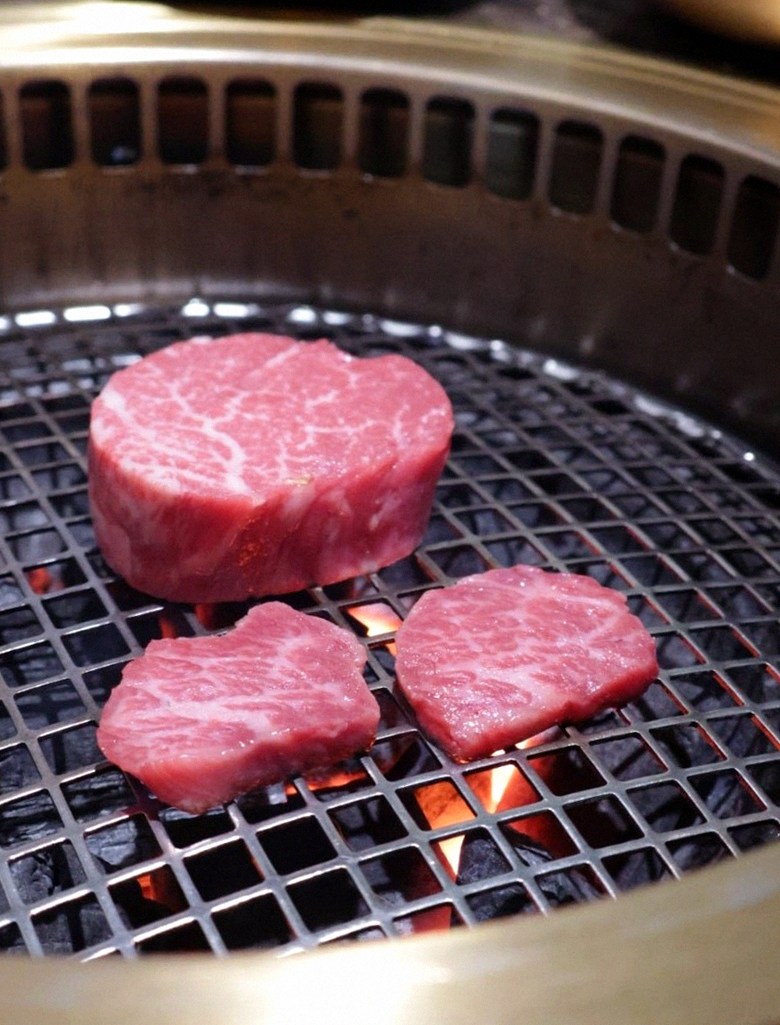
A typical weekday lunch omakase begins with lighter, more delicate cuts that awaken your palate. Servers will often start with premium cuts like anshim (tenderloin) or salchisal (top blade), explaining each cut's characteristics before grilling it to precise doneness. The progression follows a culinary logic, gradually moving toward richer, more intensely flavored cuts.
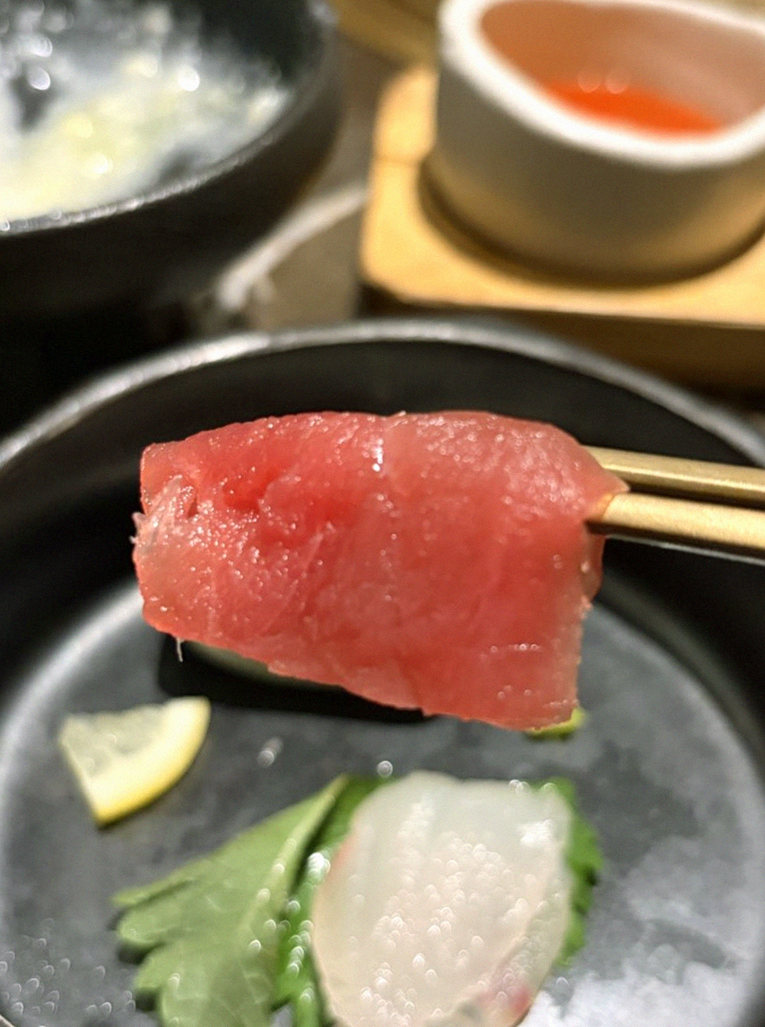
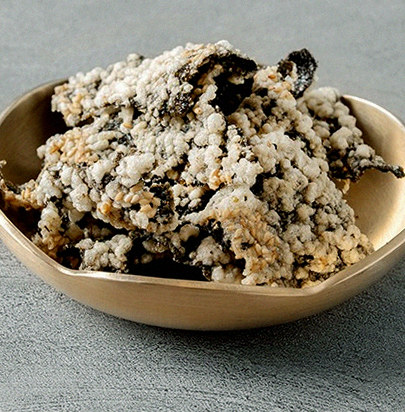
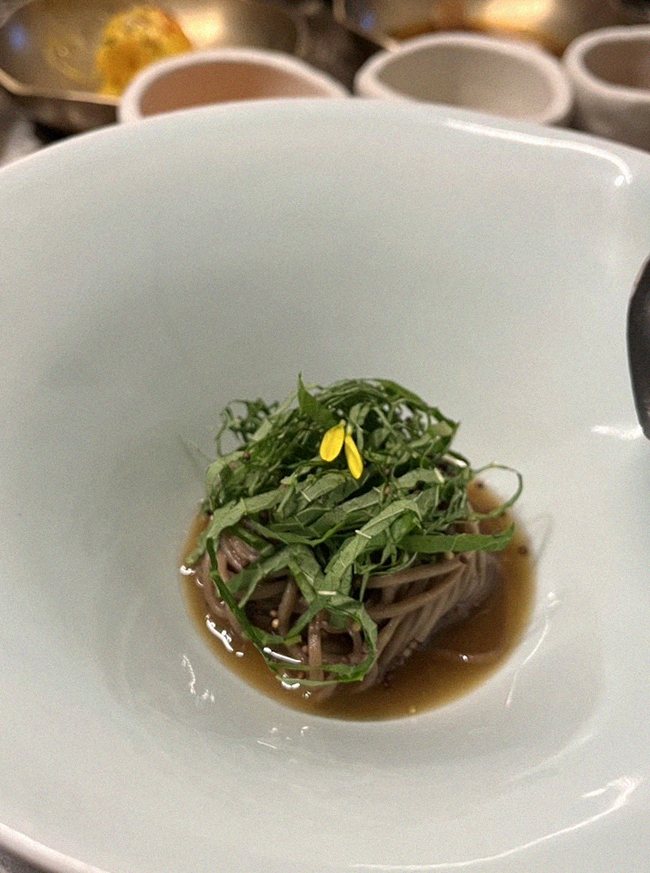
Between courses, you'll likely receive palate cleansers—perhaps crisp seasonal vegetables, a light broth, or perfectly seasoned rice wrapped in lettuce. These interludes aren't merely filler; they're carefully chosen to prepare your taste buds for the next course. The chef's timing ensures each piece arrives at optimal temperature and doneness, a level of attention difficult to achieve when diners order à la carte.
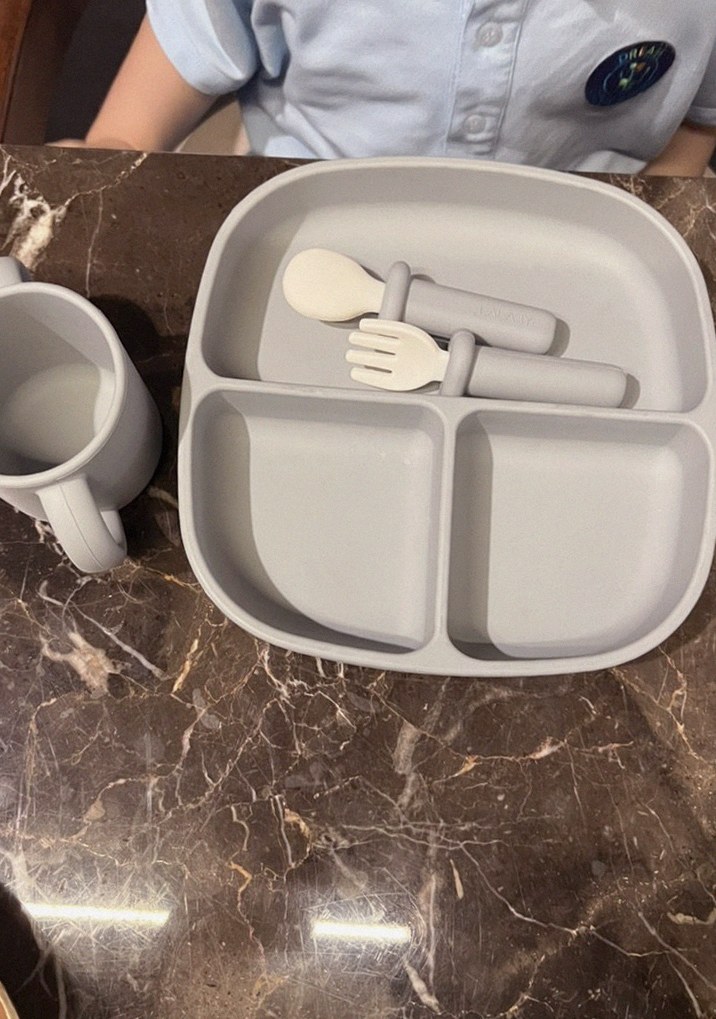
The omakase format also eliminates decision fatigue. Rather than puzzling over unfamiliar cut names or portion sizes, you simply trust the chef's expertise. This is particularly valuable for first-time visitors to Korean cuisine or those unfamiliar with Hanwoo's grading system. Each course becomes an opportunity to learn, with chefs often sharing insights about Korean beef farming, aging processes, and regional variations.
Beyond Beef: The Complete Experience
While premium Korean beef forms the centerpiece, lunch omakase encompasses much more. Many courses incorporate seasonal ingredients that complement the richness of Hanwoo—delicate namul (seasoned vegetables), house-made kimchi varieties, carefully aged doenjang (soybean paste) for dipping, and pristine perilla leaves that add aromatic freshness.
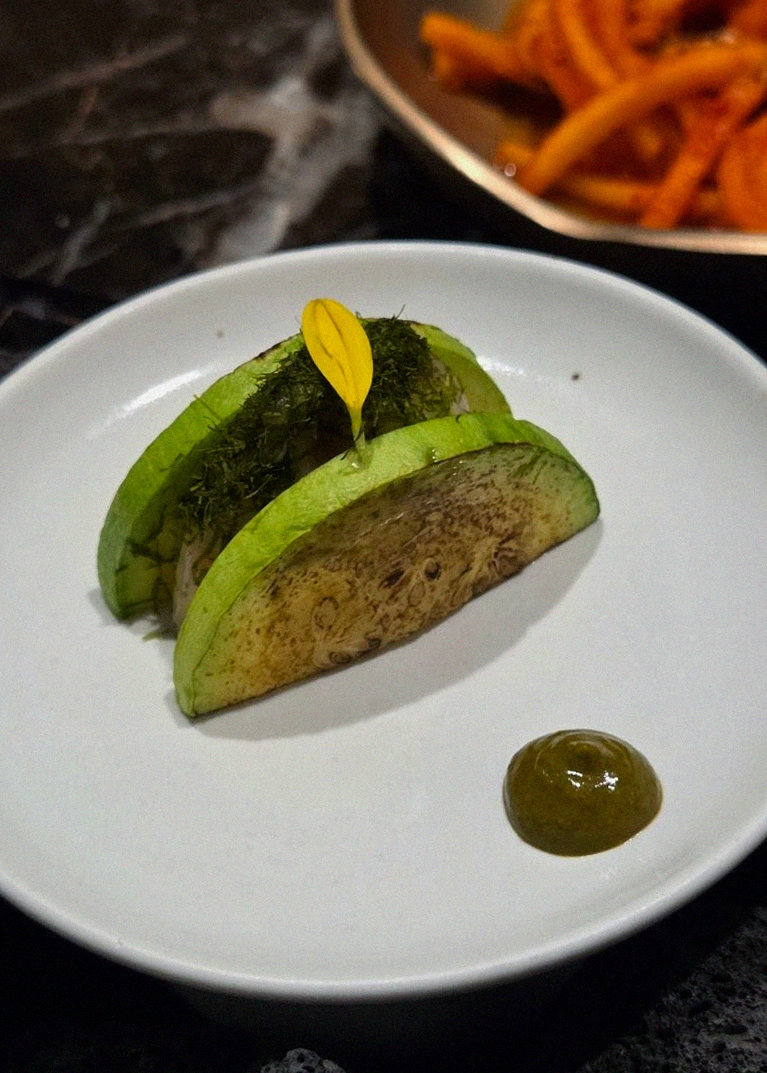
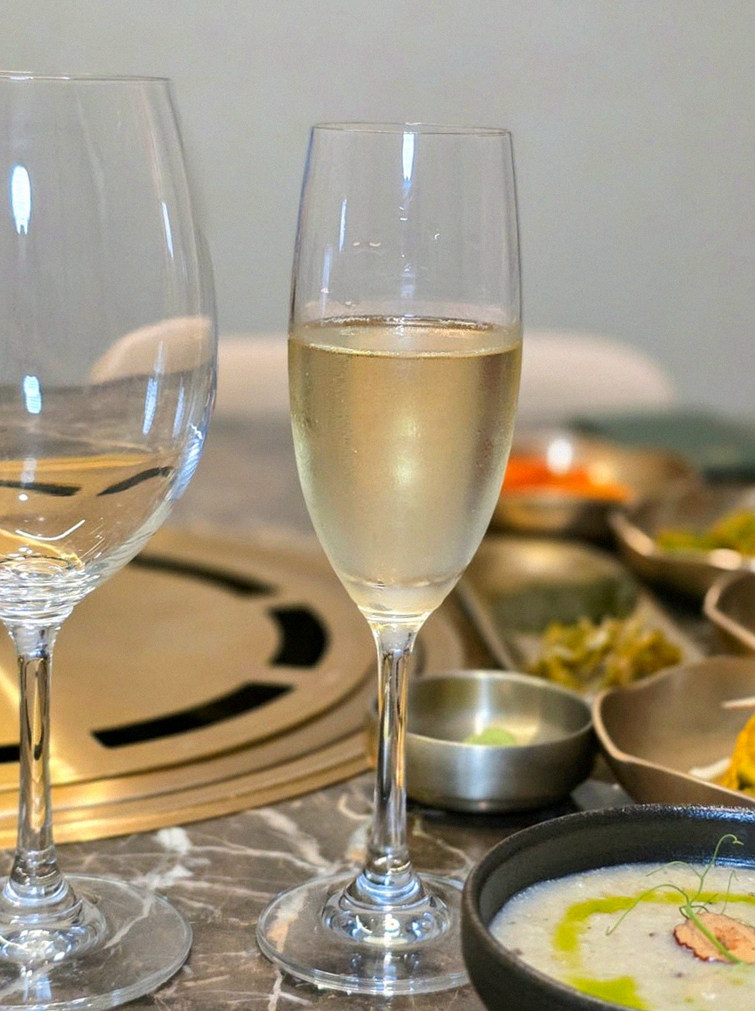
The beverage pairing options have also evolved. Beyond traditional soju, many Korean restaurant Seoul establishments now offer thoughtfully curated wine selections, craft Korean spirits, and non-alcoholic alternatives like aged teas or house-made fruit infusions. These pairings are designed to cleanse the palate between rich courses without overwhelming the beef's subtle flavors.
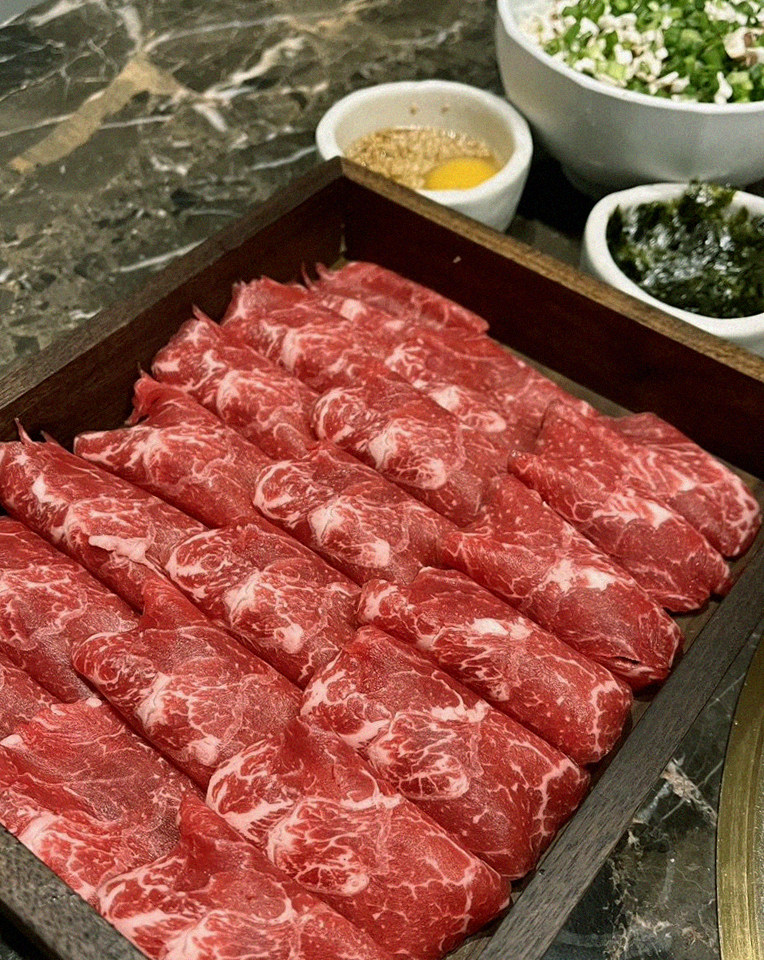
The room itself contributes to the experience. Private dining spaces in Seoul's premium establishments feature minimalist design that focuses attention on the meal itself—clean lines, quality tableware, and skilled ventilation systems that prevent smoke and odor from lingering on clothing. For business meals or company dinners, these details matter significantly.
Making the Most of Your Reservation
Weekday lunch omakase operates differently than evening service, and a few considerations will enhance your experience. First, reservations are essential and often made through each restaurant's Instagram account, where you can also preview their seasonal offerings and room styles. Booking several days in advance is advisable, especially for popular time slots between noon and 1 PM.
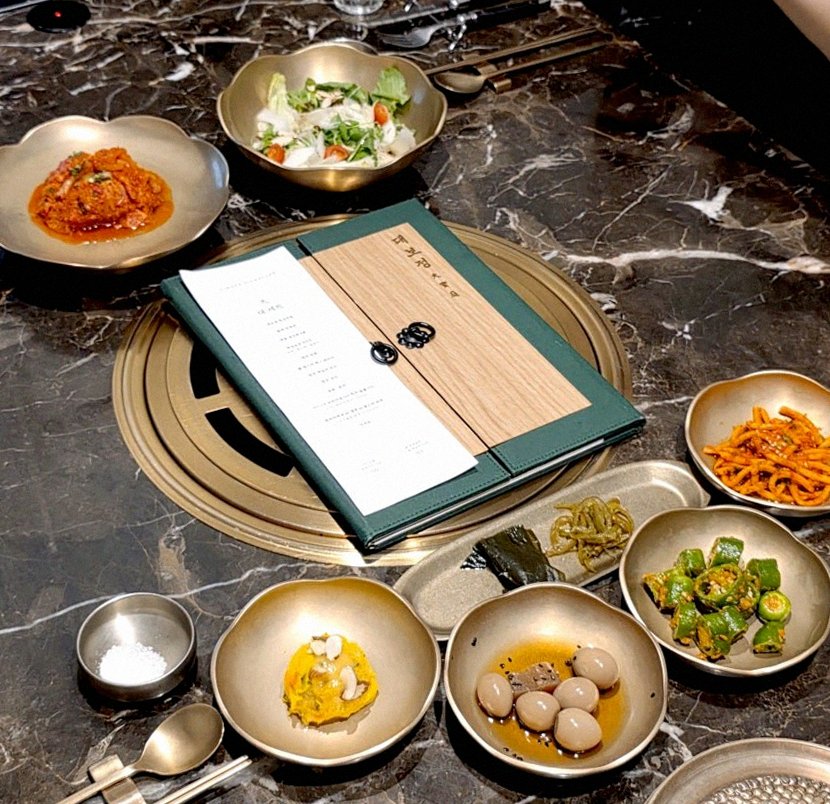
Arrive on time—or slightly early—as omakase courses are timed to your reservation. Late arrivals can disrupt the carefully planned progression and may result in rushed service. If you're dining for business entertainment or a special occasion like an anniversary, mentioning this when booking allows the restaurant to prepare accordingly, perhaps adjusting the pacing or adding a special touch.
Consider your afternoon schedule when planning. While lunch omakase is more efficient than dinner service, the experience still deserves unhurried appreciation. Building in a buffer after your reservation prevents the anxiety of watching the clock and allows you to fully savor each course.
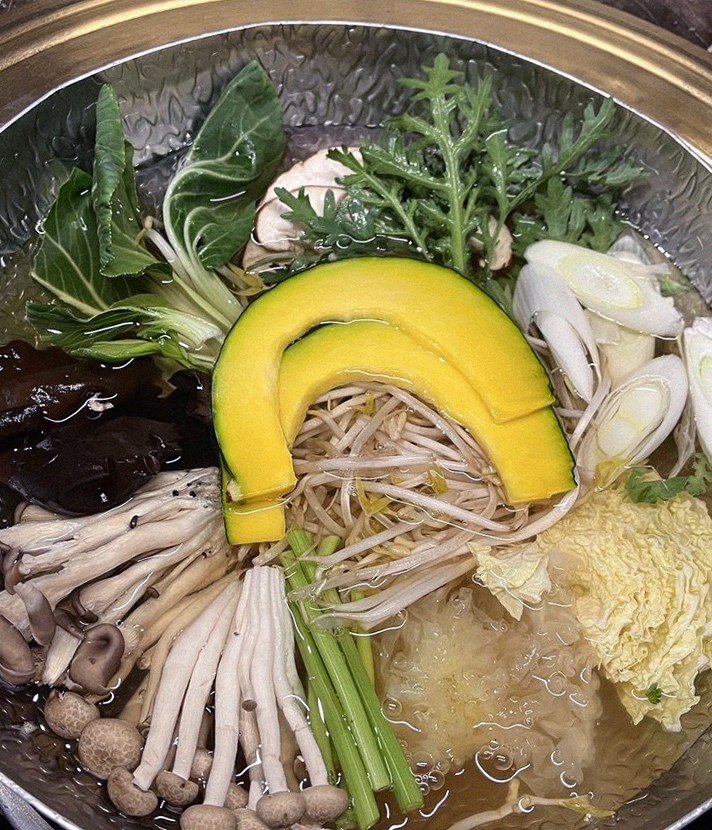
DAEBOJUNG Yeouido: Where Tradition Meets Convenience
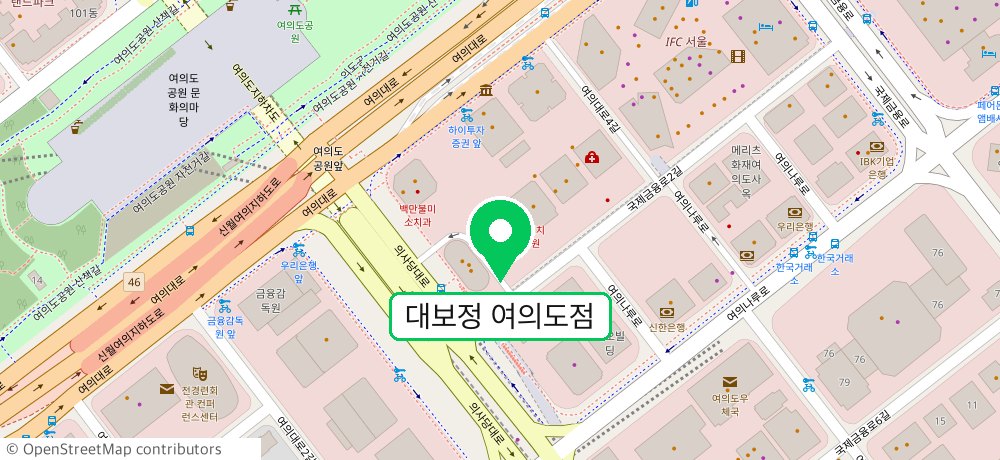
Among Seoul's premium Hanwoo omakase options, DAEBOJUNG Yeouido exemplifies what makes weekday lunch special. Located in Yeouido's heart, this establishment combines accessibility with the refinement expected of a top-tier Korean restaurant Yeouido experience. Every table is situated in a private room, ensuring the focused atmosphere essential for both business meals and personal celebrations.
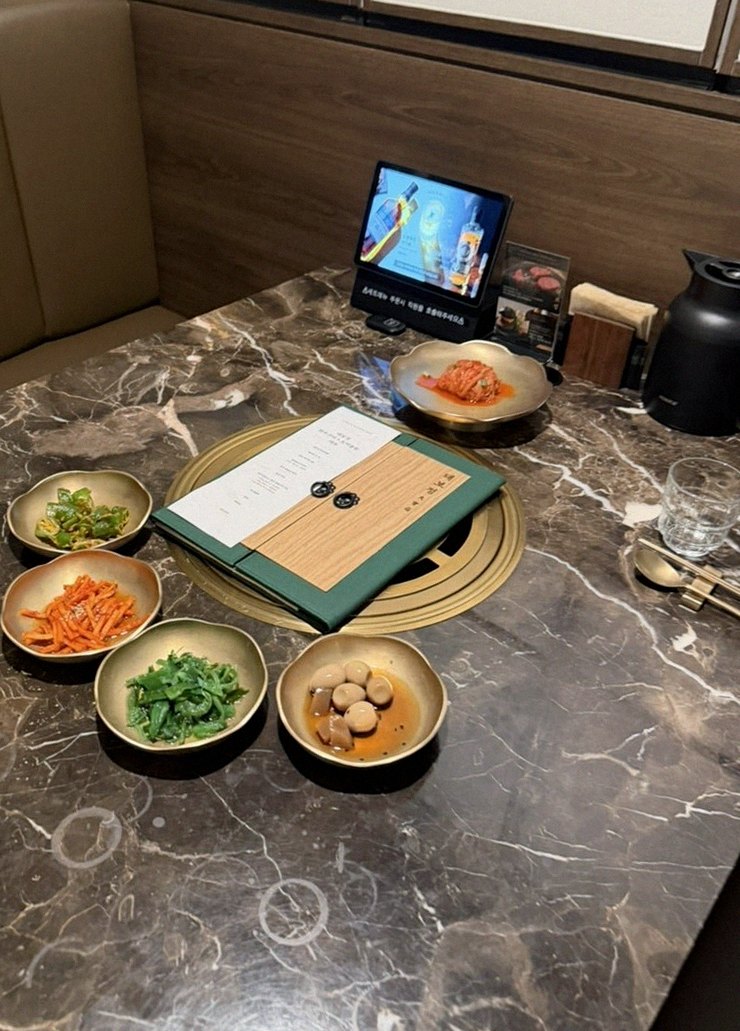
DAEBOJUNG's commitment to premium Korean beef—featuring high-grade marbling and expert aging—meets the expectations of diners who understand Hanwoo quality. The restaurant's proximity to Korean restaurant near IFC Mall makes it an ideal choice for visitors exploring Yeouido's landmarks, while its sophisticated yet welcoming atmosphere suits everyone from first-time omakase diners to seasoned enthusiasts.
For professionals seeking an impressive setting for business entertainment or family gatherings, DAEBOJUNG Yeouido offers the privacy and quality that important occasions demand. The weekday lunch service maintains the same standards as evening omakase while fitting naturally into a midday schedule—a rare combination in Seoul's competitive dining landscape.
FAQ
Q. How long does a weekday lunch omakase typically take?
A. Most lunch omakase experiences run 60 to 90 minutes, allowing you to enjoy a complete progression of premium Hanwoo cuts while still accommodating afternoon schedules. The pacing is designed to be relaxed yet efficient.
Q. Do I need to know Korean to enjoy omakase in Seoul?
A. No. Many premium establishments, including DAEBOJUNG Yeouido, provide service in English and are accustomed to hosting international guests. The omakase format itself simplifies ordering since the chef curates your meal.
Q. Is weekday lunch omakase more affordable than dinner?
A. While prices vary by establishment and seasonal offerings, lunch omakase often provides better value than evening service. You'll experience the same quality Korean beef and expert preparation, sometimes with more intimate attention due to smaller lunch crowds.
DAEBOJUNG Yeouido — Yeouido, Seoul
- 🍽️ Reserve on CatchTable Global →
- Address: 서울 영등포구 국제금융로2길 36 지하1층
- View on Google Maps →