Booking Private Rooms for Groups: Your Guide to Large-Party Dining in Seoul
Planning a group meal in Seoul can feel overwhelming, especially when you're searching for the perfect Korean restaurant near me that can accommodate your party. Whether you're organizing a company dinner (회식), celebrating a family milestone, or hosting important business entertainment (접대), understanding how private room dining works in Korea will help you secure the right space and create a memorable experience for everyone.
🍽️ Reserve on CatchTable Global · 📍 DAEBOJUNG City Hall — Naver Place · ☎ 02-310-9554
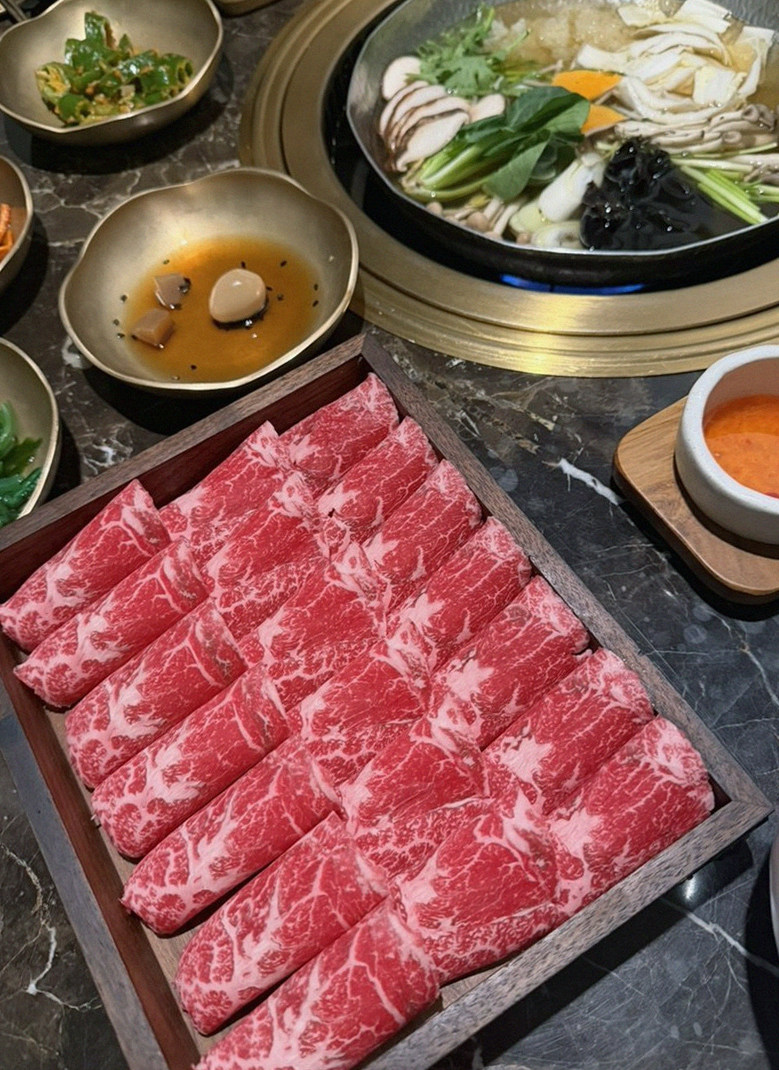
Private dining rooms—known locally as "룸" (room) or "룸식당"—are deeply woven into Seoul's culinary culture. They offer privacy, comfort, and the ability to host conversations without the bustle of an open dining hall. For visitors and locals alike, knowing what to expect when booking these spaces makes all the difference.
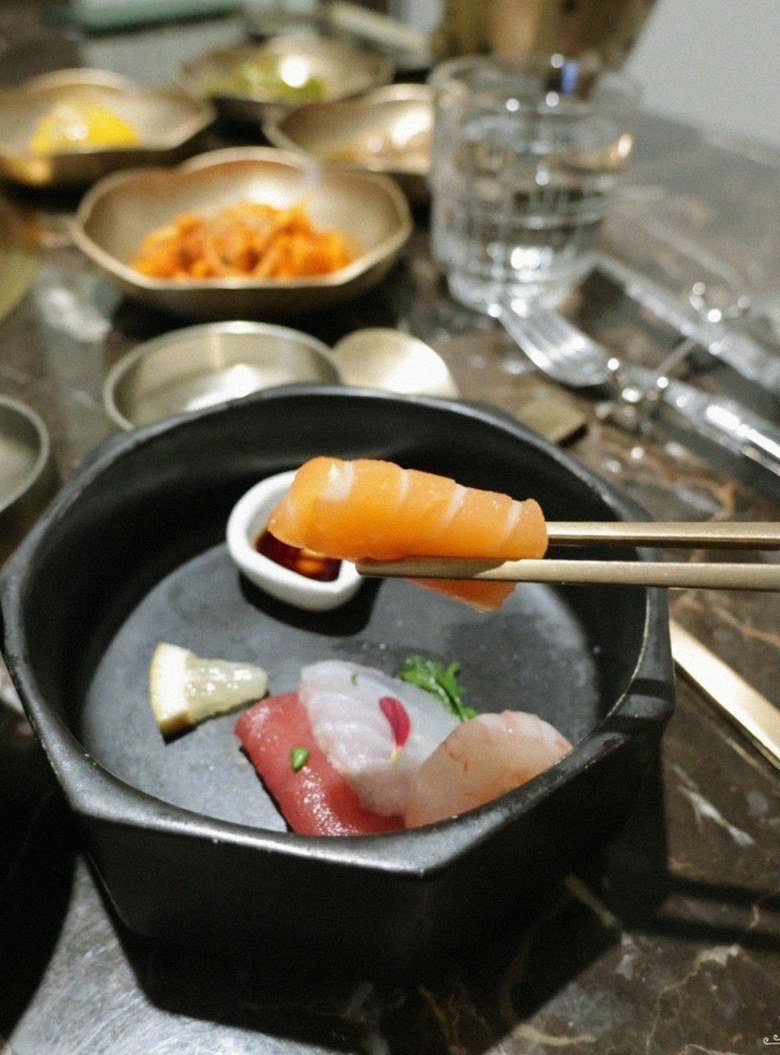
Why Private Rooms Matter for Large Groups in Korean Dining
In Korean dining culture, meals are social rituals. Business relationships are strengthened over shared dishes, families gather to mark important occasions like anniversaries (상견례), and colleagues bond during after-work dinners. Private rooms elevate these moments by creating an intimate atmosphere where guests can relax, speak freely, and enjoy attentive service.
Unlike Western-style banquet halls, Korean private dining rooms typically seat 6 to 20 guests around a central table. The focus is on communal eating—sharing premium ingredients like Korean beef (한우, Hanwoo) and experiencing the meal together. Many upscale establishments, particularly those specializing in Hanwoo omakase (오마카세) or hanjeongsik (한정식, Korean course meals), design their entire layout around private rooms to ensure every party receives personalized attention.
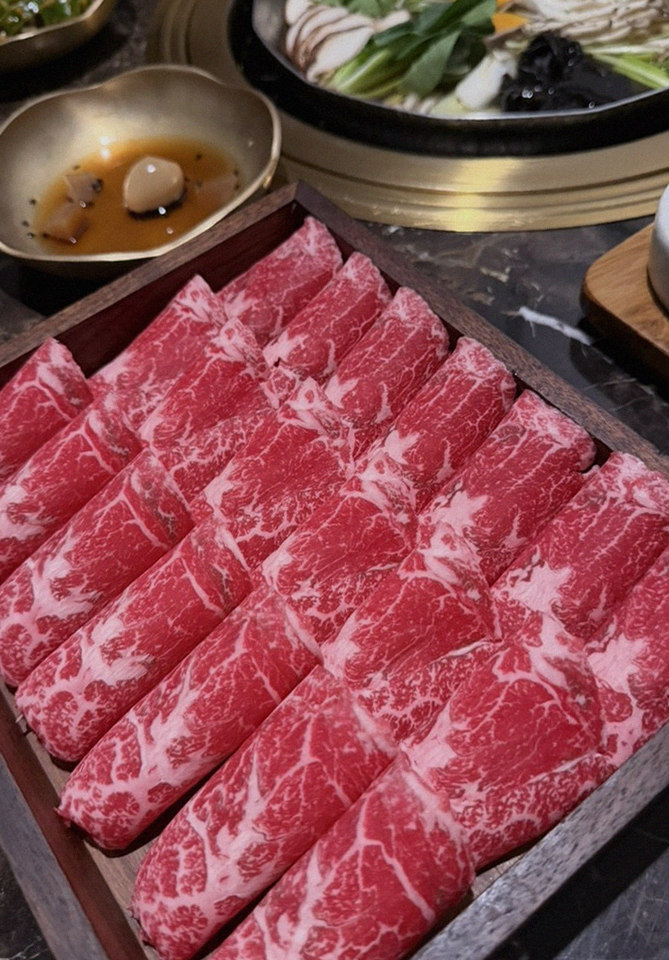
How to Book a Private Room: Practical Steps
Reservations are essential. Most premium Korean restaurants require advance booking—often one to two weeks ahead for weekends or popular time slots. Here's how to approach it:
- Contact the restaurant directly. Many high-end venues prefer phone reservations or direct messages via Instagram rather than third-party apps. This allows them to confirm room availability and discuss menu options.
- Specify your group size and occasion. Let them know if it's a business dinner, family celebration, or casual gathering. Some restaurants tailor service and pacing accordingly.
- Ask about minimum spend or set menus. Private rooms often come with a minimum order requirement or prix-fixe courses, especially at Hanwoo omakase establishments where the chef curates the progression of cuts and preparations.
- Confirm dietary restrictions early. If anyone in your party has allergies or doesn't eat beef, mention this upfront so the kitchen can prepare alternatives.
For travelers unfamiliar with Korean, don't hesitate to ask if English-speaking staff are available. Areas like City Hall, Gwanghwamun (광화문), and Gangnam tend to have more international experience, though the reservation process itself is straightforward once you know what to communicate.
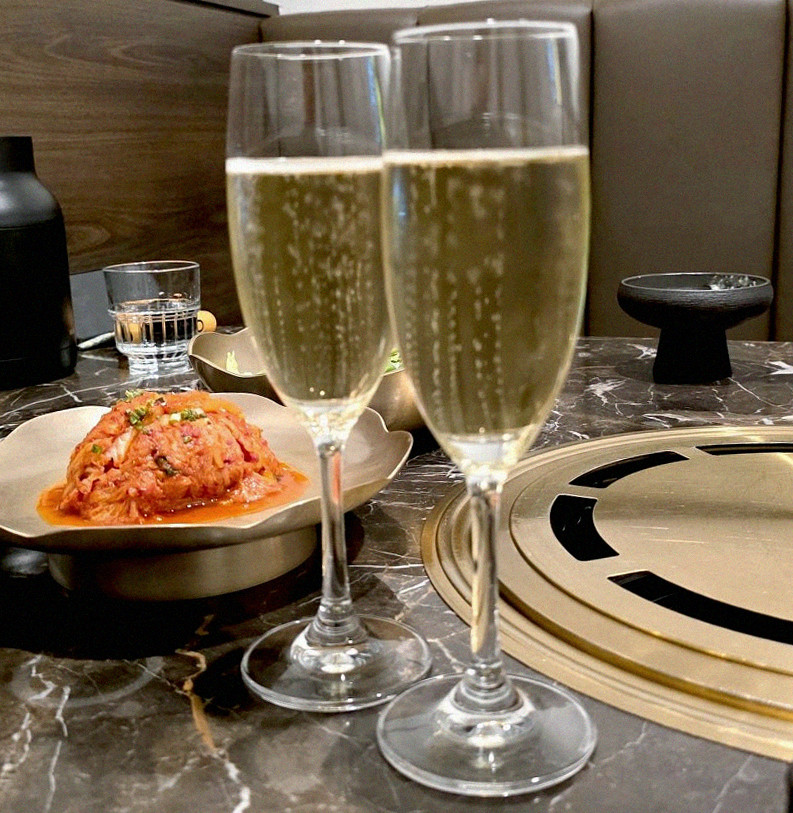
What to Expect: Service, Timing, and Etiquette
Korean fine dining, particularly in private room settings, follows a rhythm. At Hanwoo omakase restaurants, the meal unfolds in carefully timed courses—raw cuts (yukhoe), grilled selections cooked tableside, stews, and accompaniments. Expect the experience to last 90 minutes to two hours.
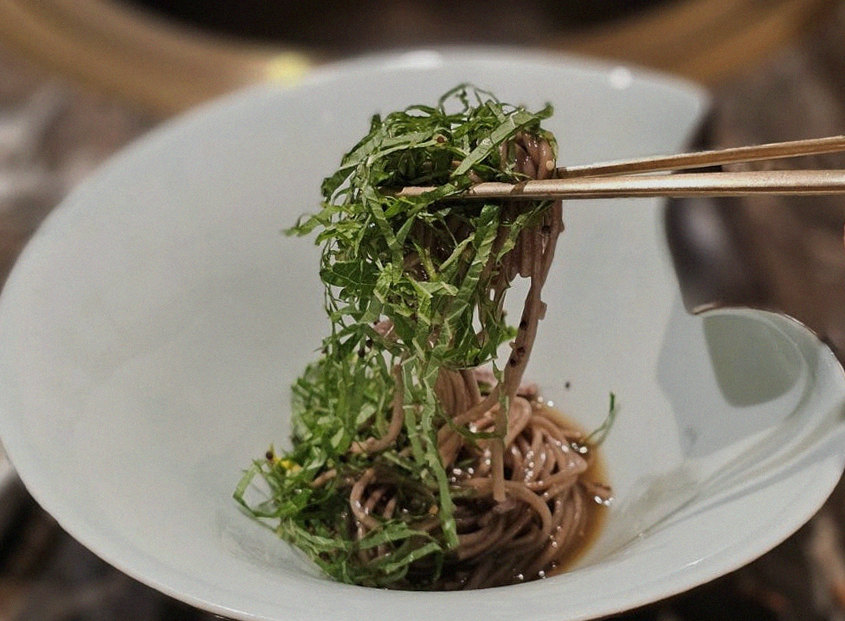
Service is attentive but unobtrusive. Staff may enter periodically to grill meat, refill banchan (side dishes), or explain each course. It's perfectly acceptable to ask questions about preparation methods or the origin of the beef—especially if you're curious about BMS (Beef Marbling Standard) grading, which measures the quality of Hanwoo.
A few etiquette notes for large groups:
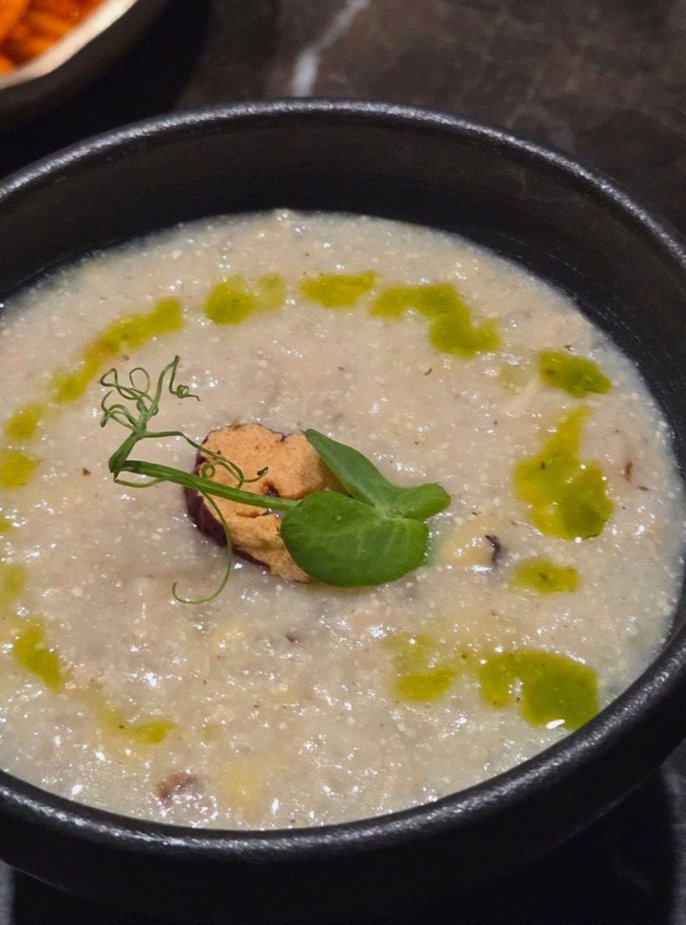
- The most senior guest or host typically sits farthest from the door.
- Wait for the eldest person to begin eating before you start.
- Pouring drinks for others (especially elders or superiors) is customary; use two hands when offering or receiving.
- Keep conversations at a moderate volume, even in a private room—respect for the space and staff is valued.
Choosing the Right Neighborhood for Your Group Meal
Seoul's dining landscape is vast, but certain neighborhoods stand out for private room options and accessibility.
City Hall and Gwanghwamun are central, well-connected areas ideal for business entertainment and formal gatherings. Restaurants near Deoksugung and along the main boulevards cater to professionals and visitors who want convenient access to cultural landmarks and transit hubs. The concentration of authentic Korean dining options here—from hanjeongsik to Hanwoo specialists—makes it easy to find a venue that matches your occasion.
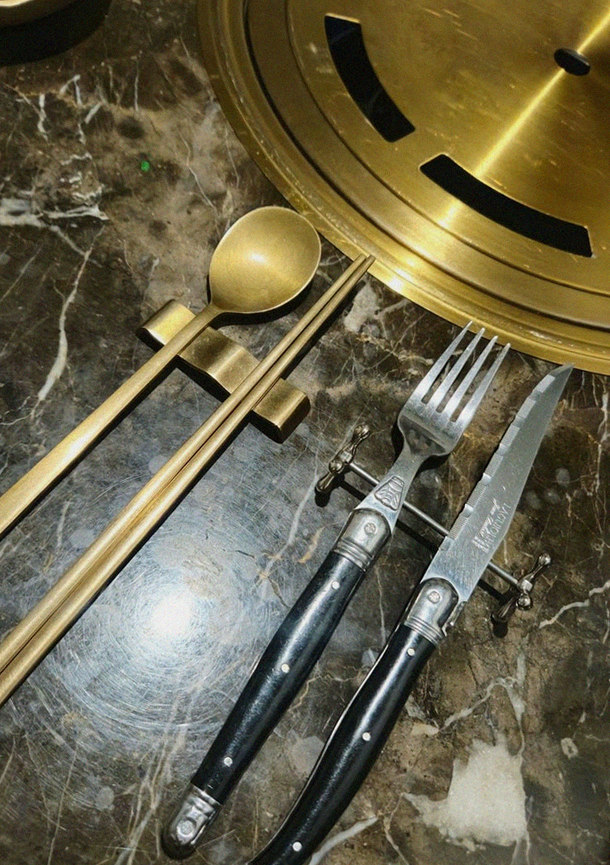
Gangnam and Yeoksam (강남·역삼) attract a mix of corporate clients and discerning diners seeking modern, upscale experiences. The private room scene here tends to emphasize contemporary design and premium ingredients, with many restaurants showcasing the highest grades of Korean beef in omakase formats.
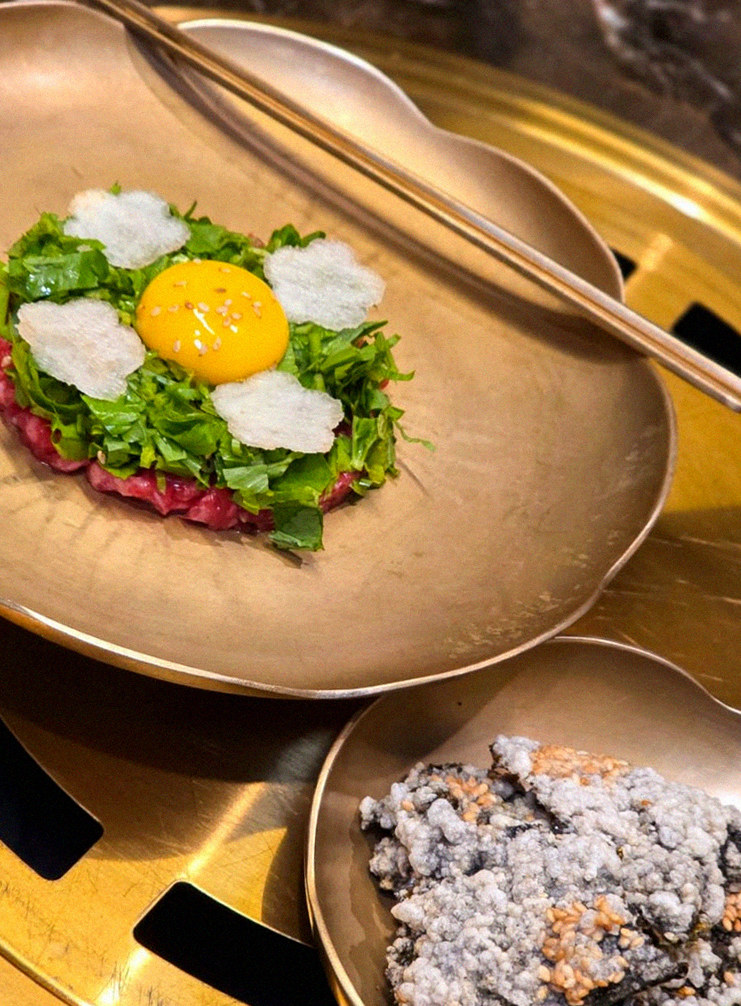
Yeouido (여의도), Seoul's financial district, is another strong choice for company dinners and client meetings. Its proximity to offices and hotels makes post-work dining seamless, and the area's restaurants are accustomed to hosting large business parties.
What Influences the Cost of Private Room Dining
Pricing varies widely depending on the restaurant's tier, the menu, and the quality of ingredients. Hanwoo omakase—where diners experience multiple cuts of premium Korean beef prepared in sequence—represents the high end of the spectrum. Expect costs to reflect the rarity of the beef (top-grade Hanwoo is limited in supply), the skill involved in butchering and grilling, and the exclusivity of the private setting.
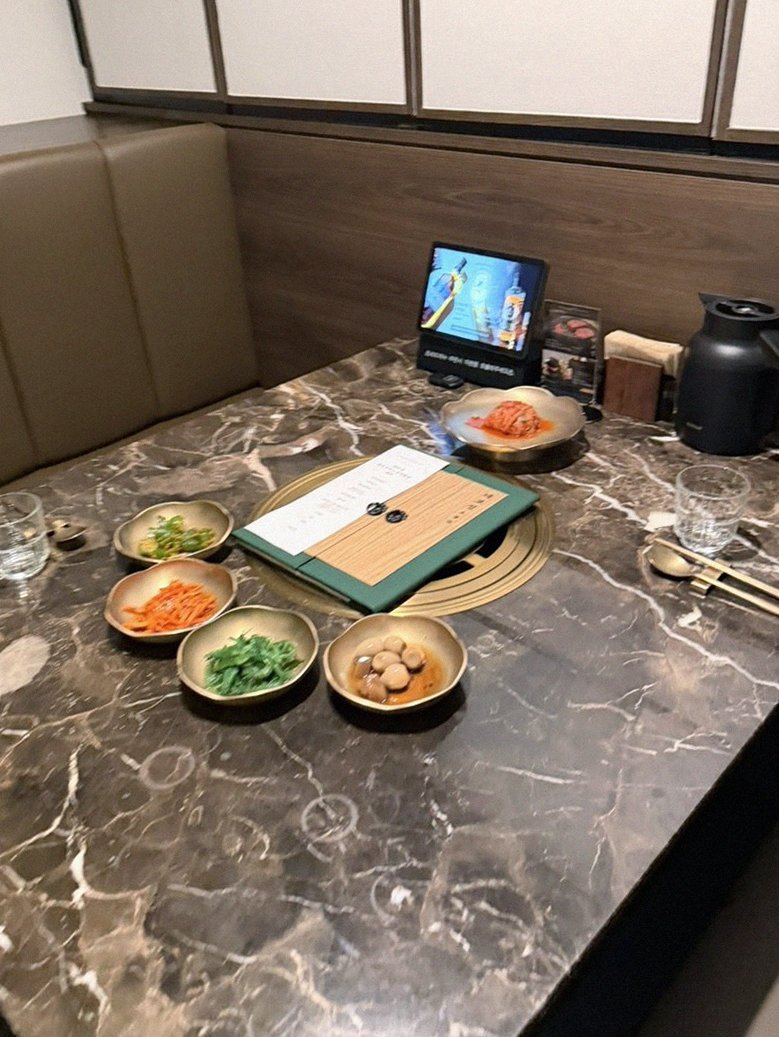
Some restaurants charge a flat room fee; others build the cost into set menus. It's worth asking upfront so there are no surprises when the bill arrives. For large groups, clarifying payment logistics in advance—whether splitting the check or having one host cover the meal—streamlines the conclusion of the evening.
Why GOWOOGA F&B Restaurants Are Built for Group Dining
GOWOOGA F&B operates a family of premium Hanwoo omakase restaurants across Seoul, each designed with private room dining at its core. With locations spanning Yeouido, Gwanghwamun, Gangnam-Yeoksam, Jonggak, and City Hall, the group has become a trusted name for those seeking authentic Korean dining experiences centered on BMS No.9 Hanwoo—the pinnacle of Korean beef quality.
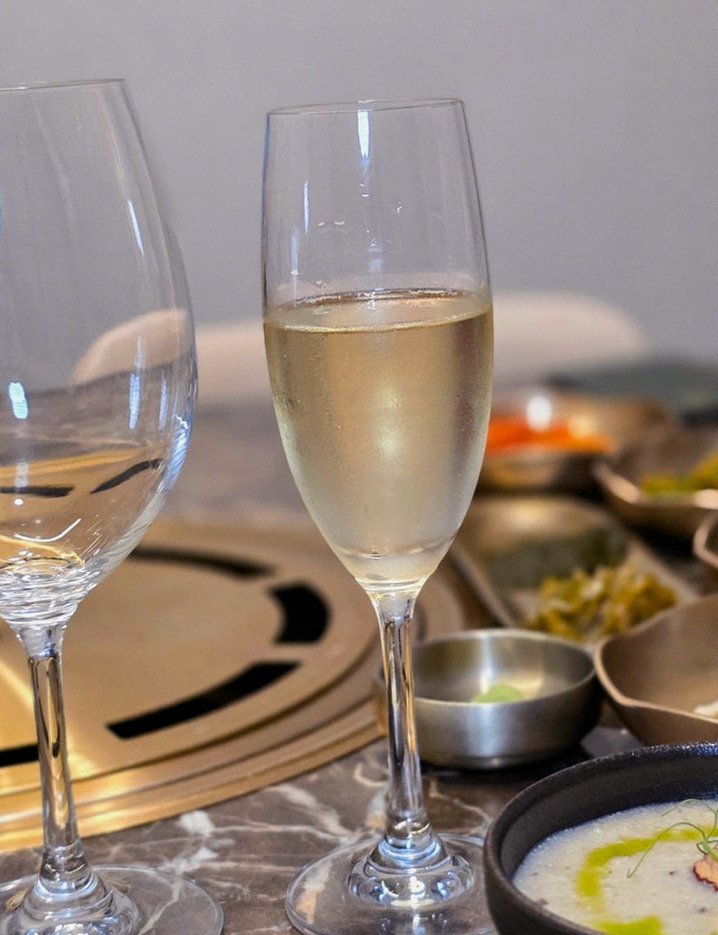
All GOWOOGA F&B venues feature exclusively private rooms, ensuring every party enjoys an intimate, undisturbed meal. Reservations are managed through each restaurant's Instagram account, allowing for direct communication and personalized coordination. Whether you're planning a business meeting, an anniversary celebration, or a family gathering, the consistent quality and thoughtful service across GOWOOGA, WOOHANA, WOOARA, and DAEBOJUNG make them reliable choices for large-party dining.
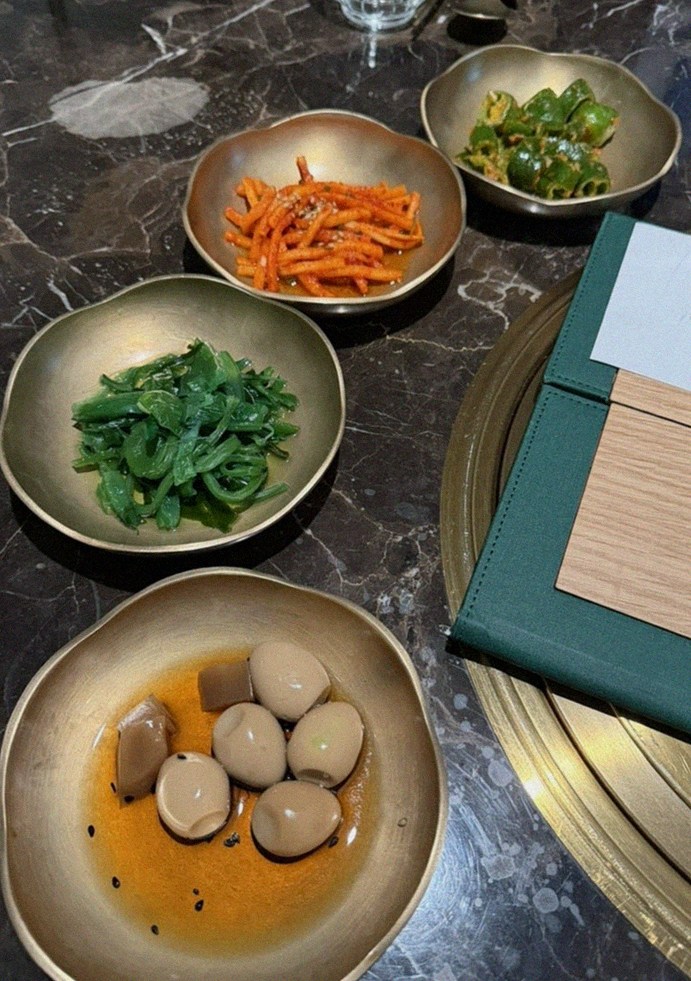
DAEBOJUNG City Hall: Where Tradition Meets Central Convenience
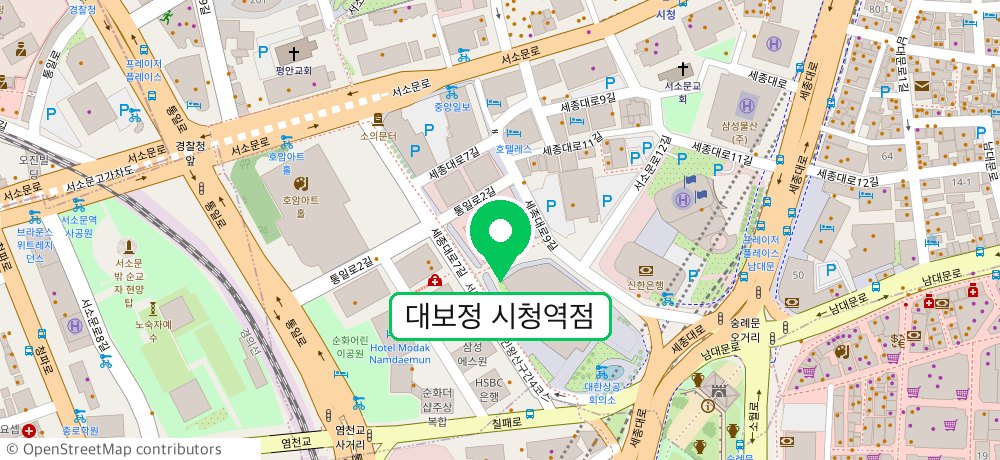
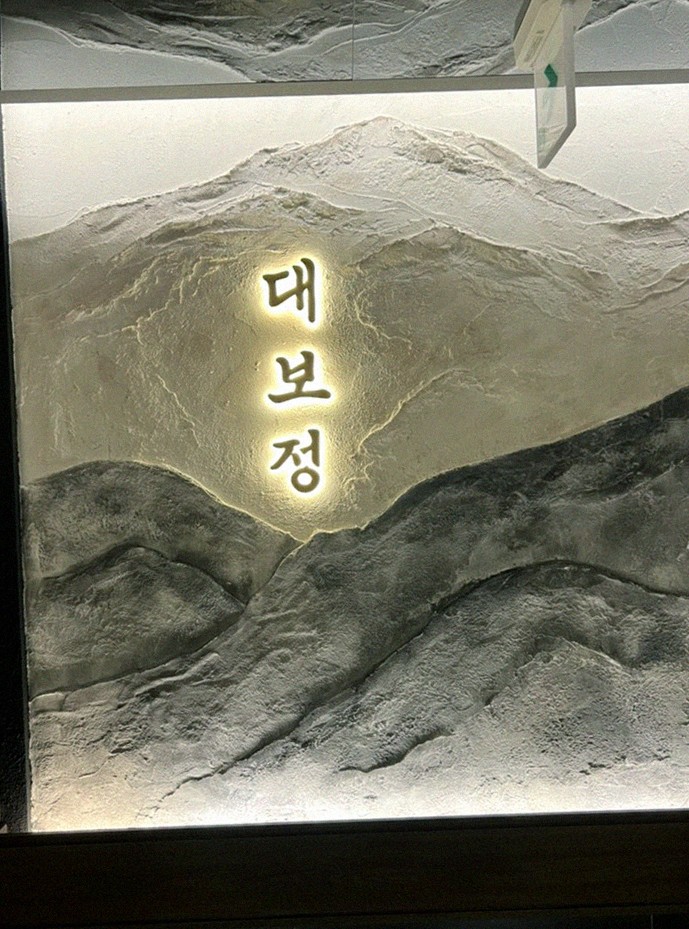
For groups seeking a central Seoul location with seamless access and refined Korean cuisine, DAEBOJUNG City Hall stands out. Situated in the heart of the city near landmarks like Deoksugung and surrounded by government offices, cultural sites, and transit lines, this restaurant offers an ideal setting for both business entertainment and special occasions.
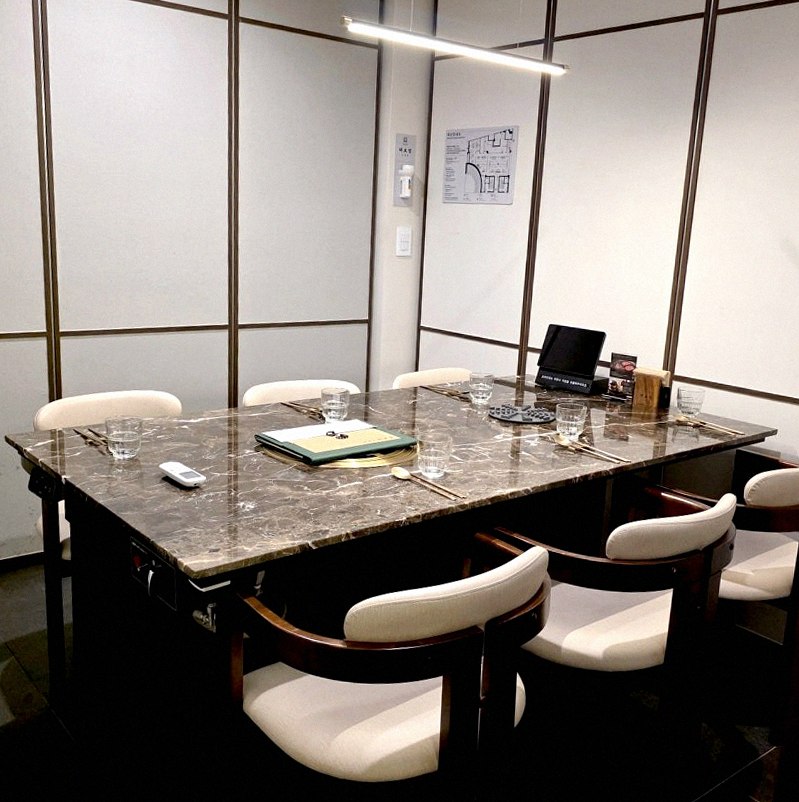
DAEBOJUNG City Hall specializes in Hanwoo omakase served entirely in private rooms. The atmosphere balances traditional Korean hospitality with contemporary comfort—each space is designed to accommodate groups of varying sizes while maintaining an intimate feel. The progression of courses showcases the depth of Korean beef: from delicate raw preparations to expertly grilled cuts, finished with hearty stews and seasonal accompaniments.
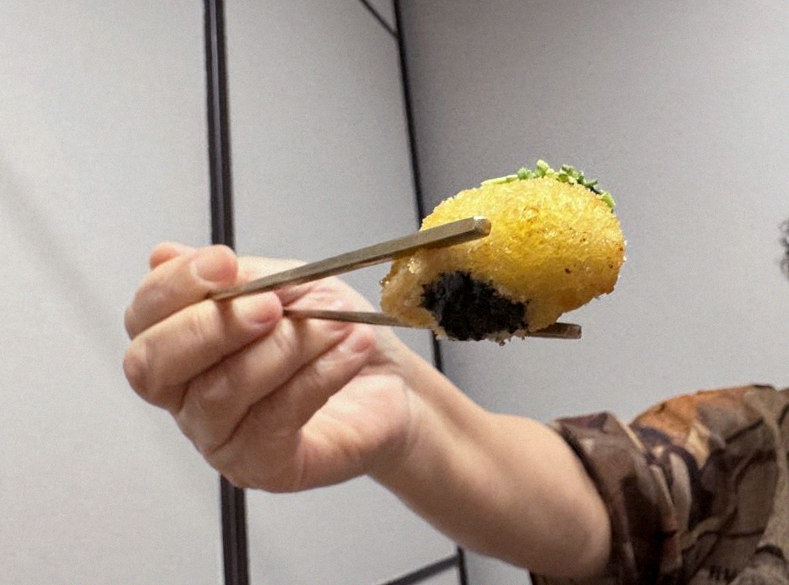
This branch is particularly well-suited for professionals hosting clients or colleagues, thanks to its proximity to City Hall and Gwanghwamun business districts. It's equally appropriate for families and friends marking milestones, offering a welcoming environment where guests can savor authentic Korean dining without distraction. The consistent quality of BMS No.9 Hanwoo and the attentive private-room service ensure that every gathering—whether a formal company dinner or a celebratory meal—unfolds smoothly.
Tips for First-Time Private Room Diners
If this is your first time booking a private dining room in Seoul, a few final tips:
- Arrive on time. Korean dining culture values punctuality, especially when a room is reserved.
- Trust the chef's selections. Omakase means "I'll leave it up to you." If the restaurant offers a curated tasting, embrace the progression—it's designed to highlight the best of what's available.
- Ask about parking or transit. Central areas like City Hall have ample subway access, but if your group is driving, confirm parking options when you book.
- Communicate preferences early. Whether you prefer a specific start time, need the meal paced quickly, or want wine pairings, mentioning these details during reservation helps the restaurant prepare.
FAQ
Q. How far in advance should I book a private room for a large group in Seoul?
A. For weekends or peak dining hours, reserve at least one to two weeks ahead. High-end Hanwoo omakase restaurants and popular neighborhoods like City Hall or Gangnam often fill up quickly, especially for parties of 10 or more.
Q. Do private rooms at Korean restaurants have minimum spend requirements?
A. Many premium establishments, particularly those offering omakase or hanjeongsik courses, require a minimum order per person or a set menu. It's best to ask when booking so you can plan your budget accordingly.
Q. Is DAEBOJUNG City Hall suitable for non-Korean speakers?
A. Yes. The restaurant is located in a central area frequented by international visitors and business travelers, and staff are accustomed to assisting guests in English. Reservations can be made via Instagram for added convenience.
DAEBOJUNG City Hall — City Hall, Seoul
- 🍽️ Reserve on CatchTable Global →
- Address: 서울 중구 세종대로9길 41 지하1층 4호
- View on Google Maps →
- Reserve via Instagram: @daebojung